
October 17, 2026
Exhibitions
Exhibitions

Nearly 150 works from RM’s collection meet SFMOMA in a major exhibition of Korean modern and contemporary art. Its real lesson is how a private collection develops a coherent eye.
Nearly 150 works from RM’s collection meet SFMOMA in a major exhibition of Korean modern and contemporary art. Its real lesson is how a private collection develops a coherent eye.
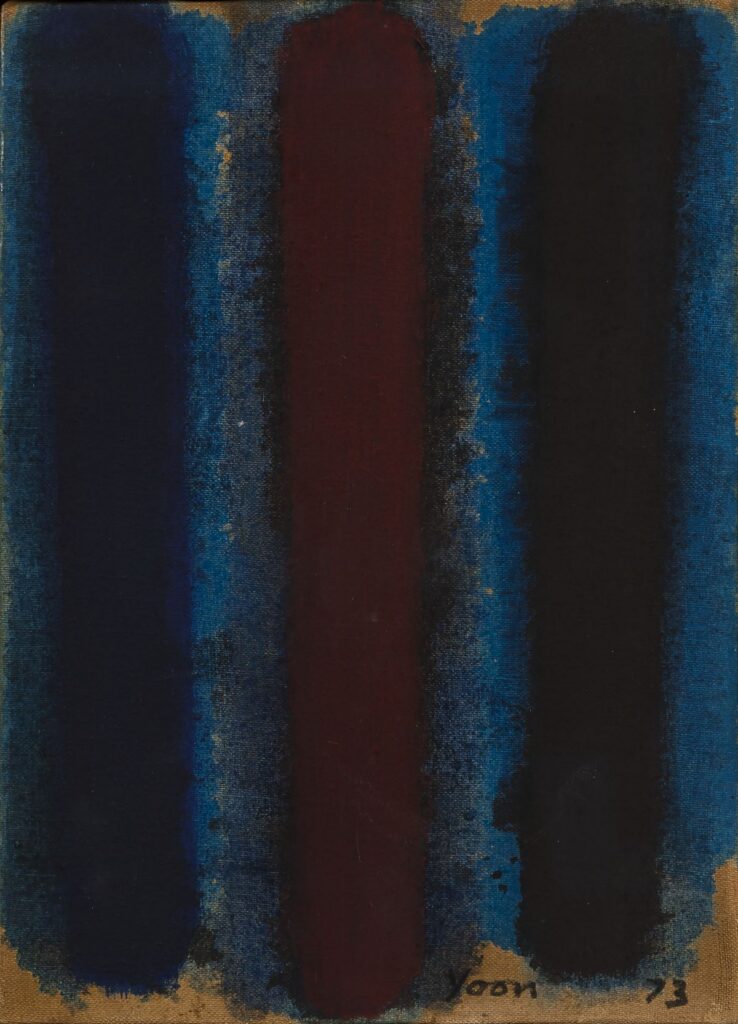
The most interesting thing about RM’s collection is not that a globally famous musician owns important art. Celebrity collecting is common. What is less common is a collection whose public presentation reveals a coherent way of looking. RM x SFMOMA: BETWEEN YOU AND ME, on view in San Francisco from 3 October 2026 to 7 February 2027, brings nearly 150 works from RM’s personal collection into dialogue with works from SFMOMA. The result is a useful case study in what a private collection can become when it is organised around attention rather than status.
RM has been collecting for nearly a decade, with particular commitment to Korean modern and contemporary art. At SFMOMA, he has worked with co-curators América Castillo and Hyoeun Kim to build pairings across geography and generation. Handwritten wall texts and an audio guide narrated by RM make the collector’s own voice part of the exhibition rather than disguising the collection as institutional neutrality.
The strongest private collections become legible without becoming predictable. RM’s emphasis on Korean artists gives the collection a centre of gravity, but the exhibition resists nationalism as an organising gimmick. Yun Hyong-keun can be seen in relation to global modernism; Kim Whanki can sit within a broader discussion of abstraction; Chang Ucchin can be approached alongside artists whose visual languages emerged from very different circumstances.
That is a valuable lesson for collectors. A collecting thesis should create relationships, not a shopping category. “Korean modern art” becomes intellectually useful when it helps explain material, history, migration, post-war reconstruction, landscape, philosophy or abstraction—not when nationality substitutes for looking.

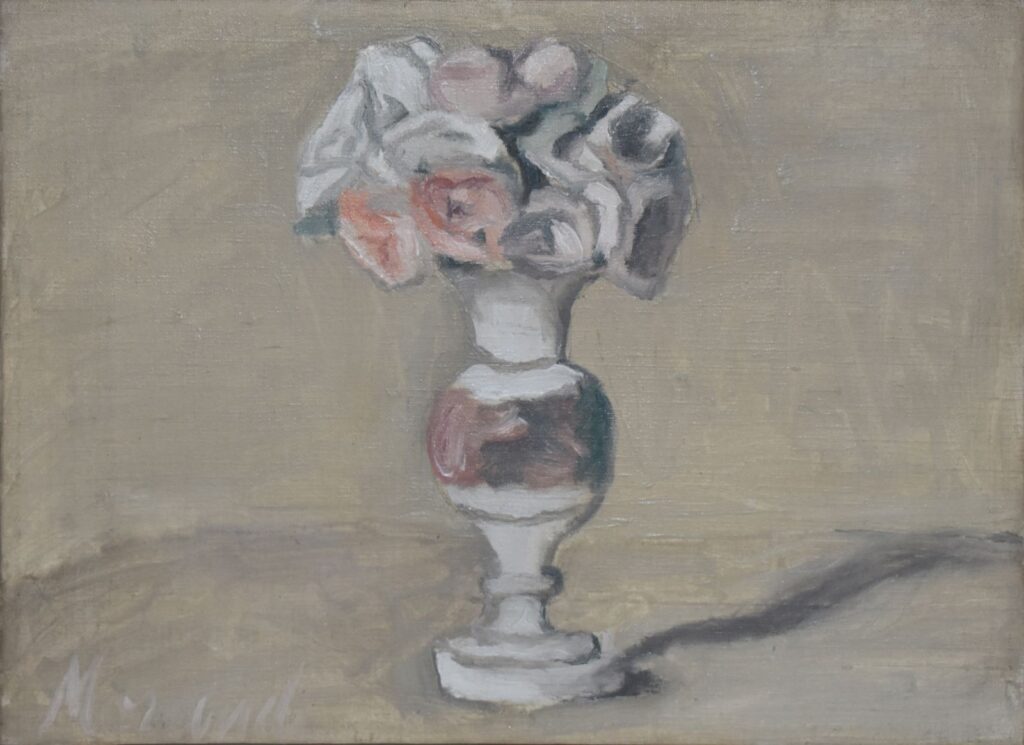
One of the pleasures of the exhibition is that it allows a collection to argue through proximity. The presence of Yves Klein, Giorgio Morandi, Mark Rothko and Wayne Thiebaud alongside Korean modernists shifts the conversation away from a national survey. Similarities can emerge through colour, silence, surface or scale while differences remain intact.
This is what good installation can teach private collectors. Art does not live in isolation after acquisition. A new work enters a field created by everything already owned. Before buying, it is worth asking not only “do I want this?” but “what does this change in the collection?” The best acquisition may deepen an existing conversation, introduce productive contradiction or reveal that a supposedly settled theme was too narrow.

RM’s handwritten texts are important because they resist the usual distance between owner and object. Private collectors often disappear from museum presentations of their holdings, leaving provenance to function as a name on a label. Here, the collector’s reasons for looking remain visible.
That does not mean taste should become biography. The more useful point is that collecting is interpretive. Why one work matters, why two things are placed together, why an artist was followed for years—these decisions create knowledge. A collector who can articulate them has already moved beyond accumulation.

International market attention has often compressed Korean post-war art into a small number of Dansaekhwa names. RM’s collection helps widen that frame. Photography, figuration, landscape, lyrical abstraction and younger contemporary practices appear alongside the monochrome traditions that have become familiar at auctions and major galleries.
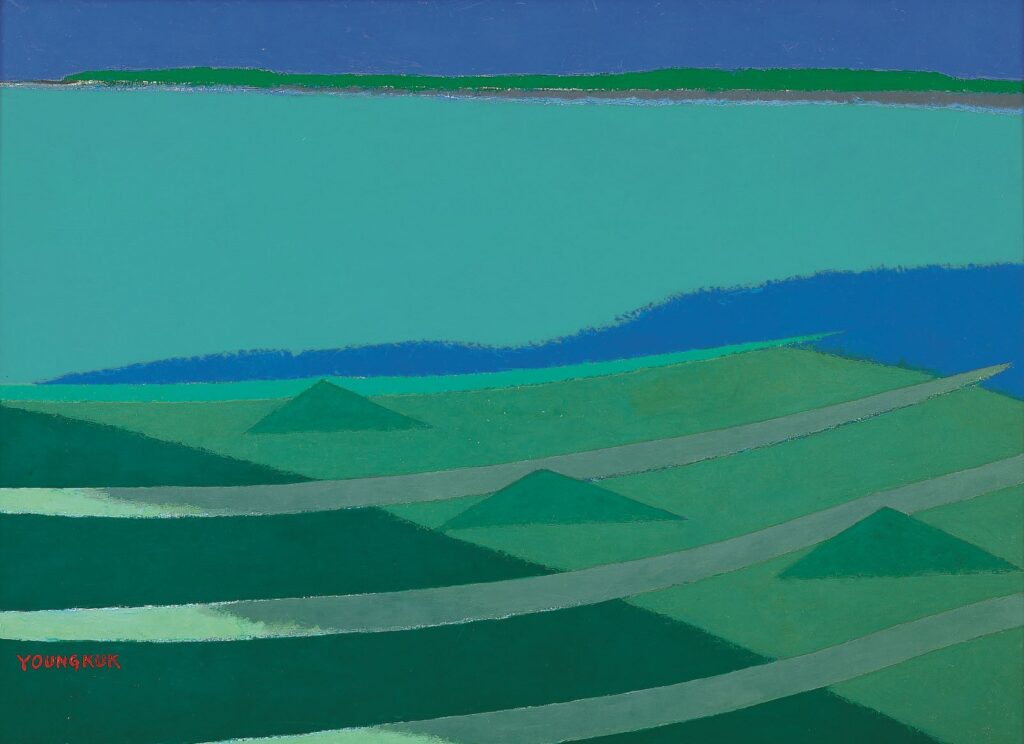
For collectors newly entering Korean art, this is especially useful. Market recognition should be a beginning, not a syllabus. Understanding a field requires artists who complicate the dominant narrative. The presence of Han Youngsoo, Chang Ucchin, Yoo Youngkuk, Kim Whanki and others makes the exhibition a route into Korean modernism as a heterogeneous history.
RM’s collection has been developed over years rather than assembled for a single public reveal. That slowness matters. Repeated exposure to an artist allows the collector to distinguish a representative work from an exceptional one. It also allows taste to change without forcing the collection to maintain a false consistency.
The most convincing collections contain evidence of revision. Early interests remain visible; later acquisitions complicate them. A collection that never contradicts its owner risks becoming branding.
First, build from artists, not trends. Second, allow regional depth without turning geography into a quota. Third, use museums and public collections as comparative tools: institutional context can reveal relationships the market does not emphasise. Fourth, document why works matter to you. Private notes, acquisition histories and correspondence can become meaningful archival material over time.
Finally, resist the assumption that public visibility requires a collection to become impersonal. The SFMOMA project works because the museum provides scholarship while RM’s presence remains acknowledged. Expertise and subjectivity are not opposites.
The larger significance of BETWEEN YOU AND ME is what happens when private collecting becomes a platform for public attention. RM’s fame will bring audiences to artists they may never otherwise have encountered. The museum provides historical framing that prevents the show becoming a celebrity display.
For collectors, that combination suggests a mature endpoint for ownership. A collection does not have to remain private to remain personal. Loans, publications, museum partnerships and carefully documented exhibitions can extend the life of individual works without erasing the eye that brought them together.
RM x SFMOMA: BETWEEN YOU AND ME
San Francisco Museum of Modern Art
3 October 2026–7 February 2027.
Nearly 150 works from RM’s collection meet SFMOMA in a major exhibition of Korean modern and contemporary art. Its real lesson is how a private collection develops a coherent eye.
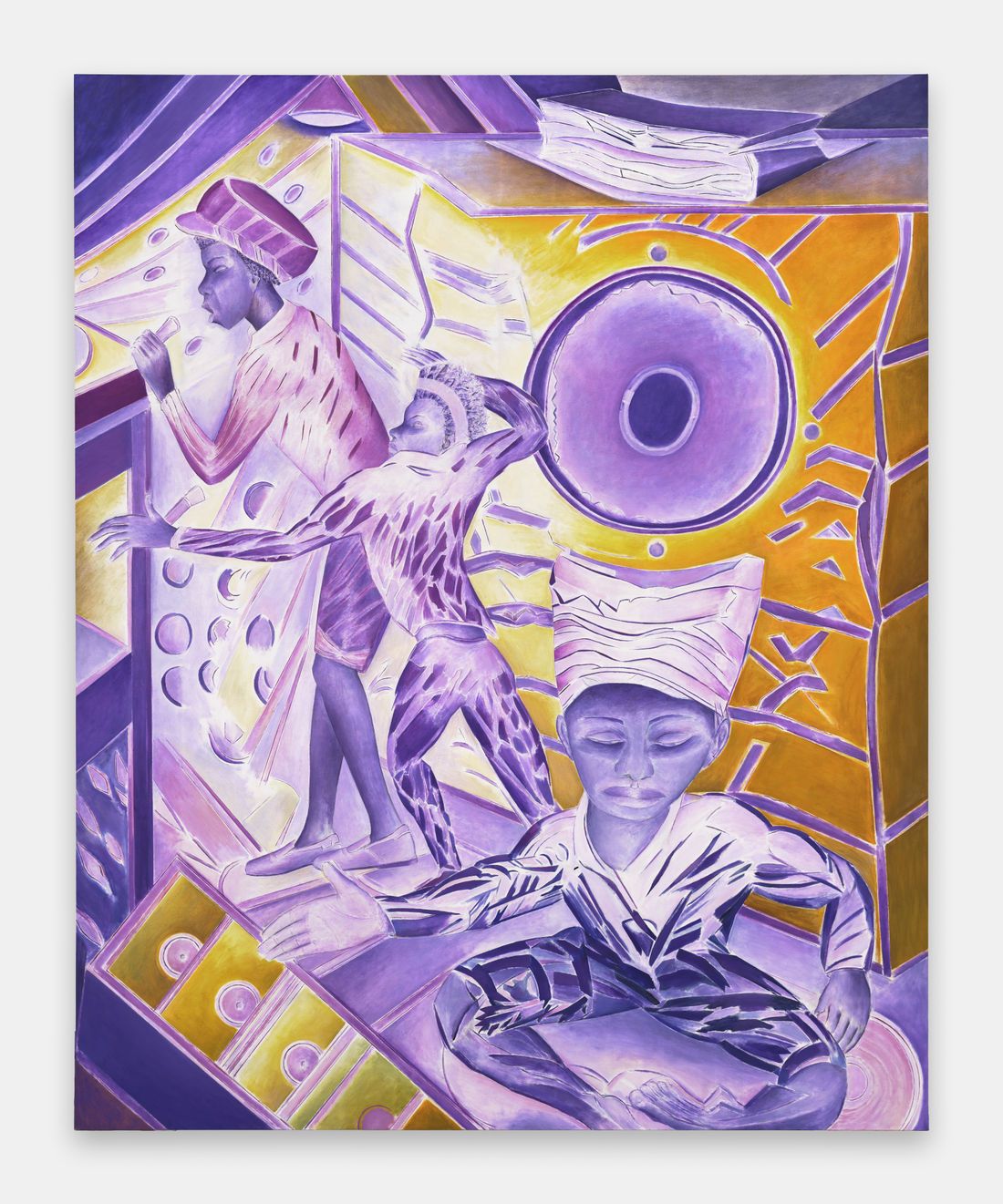
Thaddaeus Ropac’s representation of Denzil Forrester places one of Britain’s great painters of dub, dancehall and Black social space inside a new international chapter.
At Perrotin London, Iván Argote celebrates fifteen years of Mamarrachos by turning scribbles, gallery rules and institutional authority into an unusually playful form of critique.