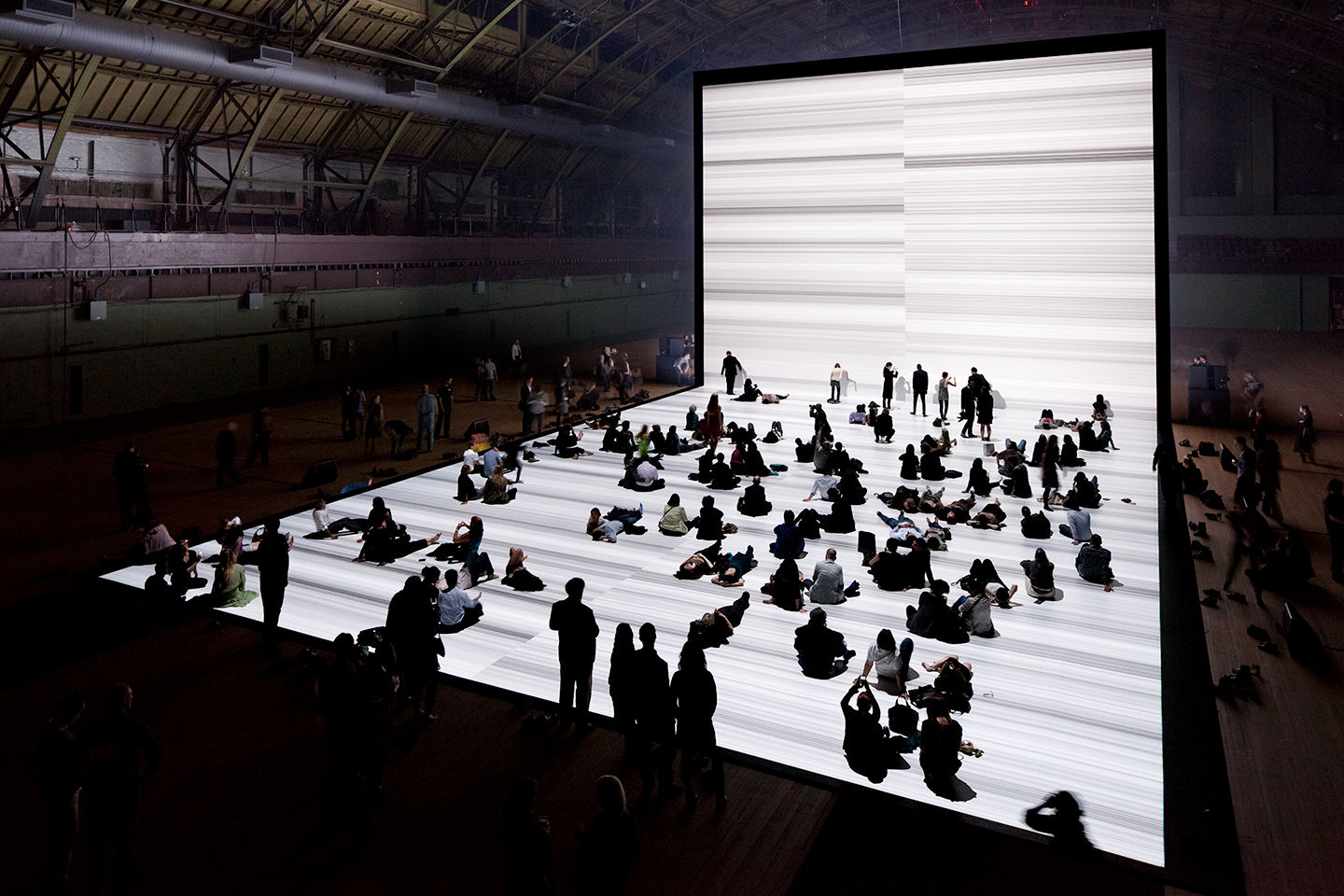
Frieze Los Angeles 2026 closed with a surge of energy, attracting over 32,000 visitors and strong institutional participation. Blue-chip galleries like David Zwirner, Gagosian, and Hauser & Wirth reported multi-million-dollar sales, while emerging artists in the Focus section sold out their presentations. The fair combined high-profile acquisitions, site-specific installations, and performances, reinforcing Los Angeles as a global hub for contemporary art and collector engagement.
NEWS
.jpg)
At Saatchi Yates, Slawn redefined the conventional exhibition model by transforming the gallery into a functioning studio environment. Rather than presenting a static display of completed works, Slawn’s Studio invited audiences into the active process of art-making — where paintings evolved in real time and the boundaries between production, performance, and presentation dissolved.

Formed by four friends outside the traditional art system, Underdog Collection champions emerging artists through slow looking, studio visits, and personal dialogue. Collecting instinctively and independently, they build meaningful, long-term relationships and acquisitions that resist hype and prioritize lasting resonance.

Through mentorship, international networks, and her members’ platform StudioToGallery, curator and advisor Sonia BB London is creating a fairer infrastructure for emerging artists — replacing gatekeeping with guidance and access with education.

New Zealand–born, UK-based artist Cas Campbell works across ceramics, handmade paper, sculpture, and installation to explore humanity’s deep connection to nature. Drawing on evolutionary history, queer identity, motherhood, neurodivergence, and overlooked lives, Campbell’s practice weaves the personal with the historical. Their recent ceramic works construct alternative icons inspired by boundary-breaking female and queer figures, reframing ideas of gender, care, and permanence. In this in-depth interview, Campbell reflects on their journey from painting and installation to clay, the impact of becoming a young parent, and the slow development of a research-driven studio practice. The conversation offers an intimate insight into an emerging artist reshaping contemporary ceramics through tenderness, and resilience.

At Carl Freedman Gallery, Crossing Into Darkness sees Dame Tracey Emin step into the role of curator with striking emotional authority, assembling a multigenerational constellation of artists — from Goya, Munch, Bourgeois and Kiefer to Danielle McKinney, Lindsey Mendick and Celia Hempton — to explore vulnerability, mortality and psychological depth. Through restrained lighting, careful spatial choreography and an instinctive pairing of historic and contemporary voices, Emin transforms darkness into a space of reflection rather than despair.