
September 19, 2026
Exhibitions
Exhibitions
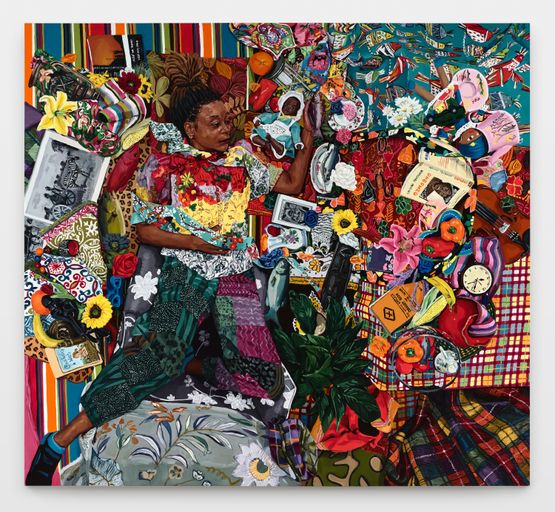
Wangari Mathenge’s first solo exhibition with Lévy Gorvy Dayan expands her Re-membering series into sculpture, turning books, objects and domestic space into a layered inquiry into Kenyan cultural memory.
Frieze Los Angeles 2026 closed with a surge of energy, attracting over 32,000 visitors and strong institutional participation. Blue-chip galleries like David Zwirner, Gagosian, and Hauser & Wirth reported multi-million-dollar sales, while emerging artists in the Focus section sold out their presentations. The fair combined high-profile acquisitions, site-specific installations, and performances, reinforcing Los Angeles as a global hub for contemporary art and collector engagement.

The seventh edition of Frieze Los Angeles closed Sunday at the Santa Monica Airport campus with robust sales, strong institutional participation, and renewed market energy. Emerging from a period of broader industry caution, galleries reported significant transactions across price tiers, while the fair attracted more than 32,000 visitors, including curators, collectors and stakeholders from 45+ countries.
Major galleries anchored the commercial narrative. David Zwirner led early activity with the reported sale of a mixed‑media work by Njideka Akunyili Crosby for $2.8 million — among the highest‑priced transactions at the fair. Other sales included paintings by Lynette Yiadom‑Boakye for $1.5 million and works by Lisa Yuskavage and Louis Fratino. Gagosian and other blue‑chip participants also reported brisk movements in the seven‑figure range.
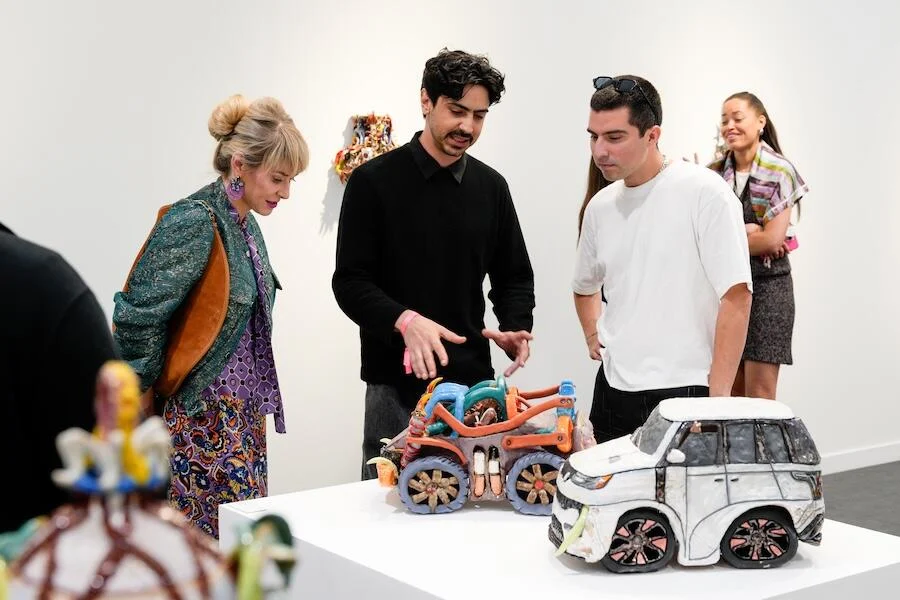
Collectors were active at every level. Galleries in Frieze’s Focus section — the area dedicated to younger and mid‑career galleries — saw complete sell‑outs, with works selling between the mid‑five figures and lower end of the market, signaling sustained demand for emerging voices even as uncertainties persist across the global market.
Industry press noted that well‑heeled collectors, including some who have recently expanded their holdings in Los Angeles, returned early and decisively, countering narratives of a contracting upper market.
Frieze LA also served as a salient acquisition hub. The Mohn Art Collective (a collaboration between Hammer Museum, LACMA and MOCA Los Angeles) made notable purchases, reinforcing the fair’s institutional relevance. Other acquisition initiatives — including city and museum acquisition funds — further demonstrated sustained collecting commitments from the public sector and institutional patrons.
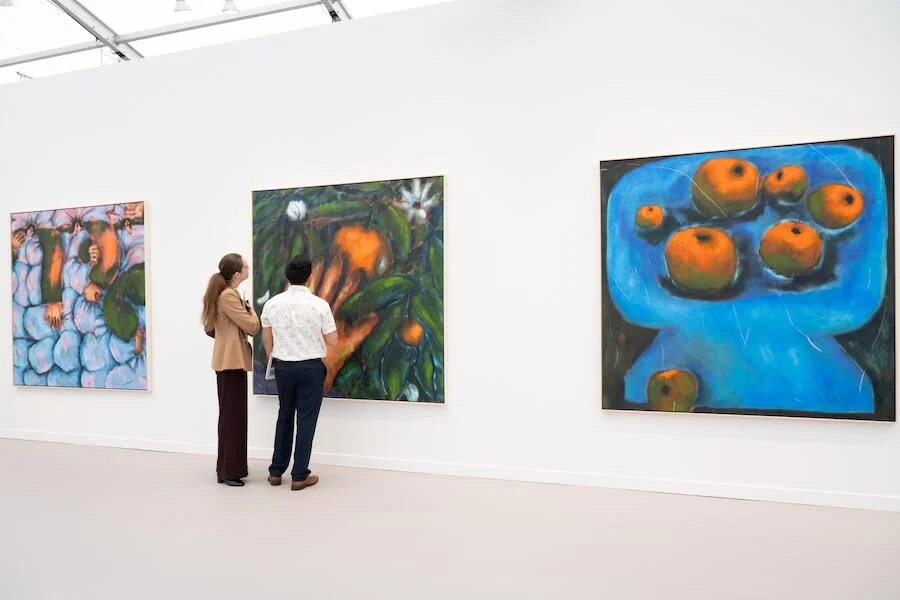
“Collectors engaged with conviction across every section of the fair.” — Frieze Americas Director Christine Messineo
The presence of directors and curators from leading museums across North America underscored Frieze LA’s evolving role as a measurable platform for curatorial engagement alongside private sales.
Beyond sales, Frieze Projects brought site‑specific works and performances to life across the fair footprint and adjacent public sites. These installations, including durational performance and outdoor experiments with material and form, helped frame the fair as a cultural node rather than a purely commercial event. Press coverage highlighted Frieze’s broader ecosystem, from film awards to satellite exhibitions and daytime public art explorations.
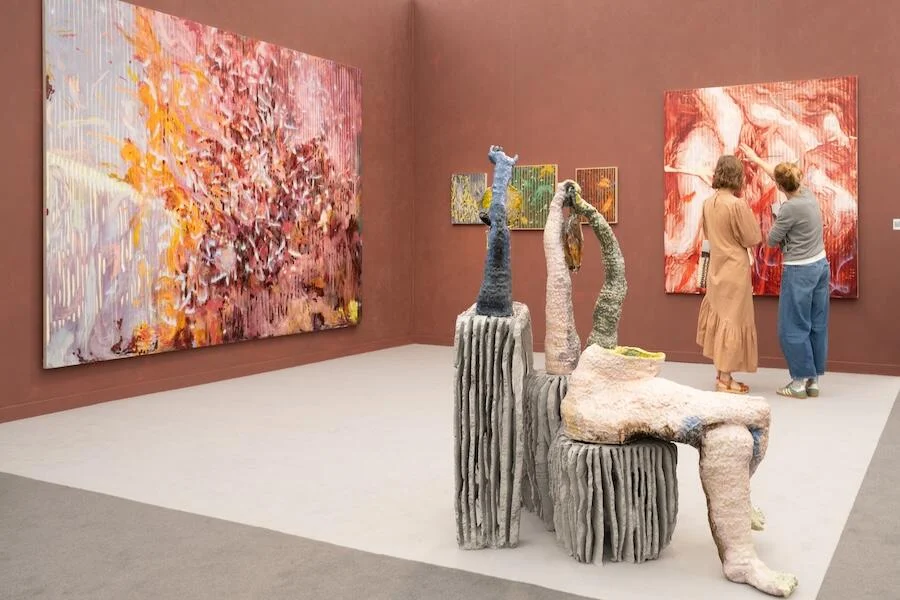
The fair’s broader context — held in a city still recovering from the 2025 wildfires that affected studios, homes and infrastructure — added layers of symbolic resilience and communal purpose to the week’s proceedings, according to multiple reports. Frieze’s visibility remains high — not just among collectors but within popular culture. A‑list attendees from entertainment and tech sectors were reported moving through the booths, reinforcing Los Angeles’s identity as a crossroads between commercial art, celebrity presence and creative production.
Opening image: Frieze Los Angeles 2026. Image by Casey Kelbaugh/CKA. Courtesy of Frieze.
Wangari Mathenge’s first solo exhibition with Lévy Gorvy Dayan expands her Re-membering series into sculpture, turning books, objects and domestic space into a layered inquiry into Kenyan cultural memory.
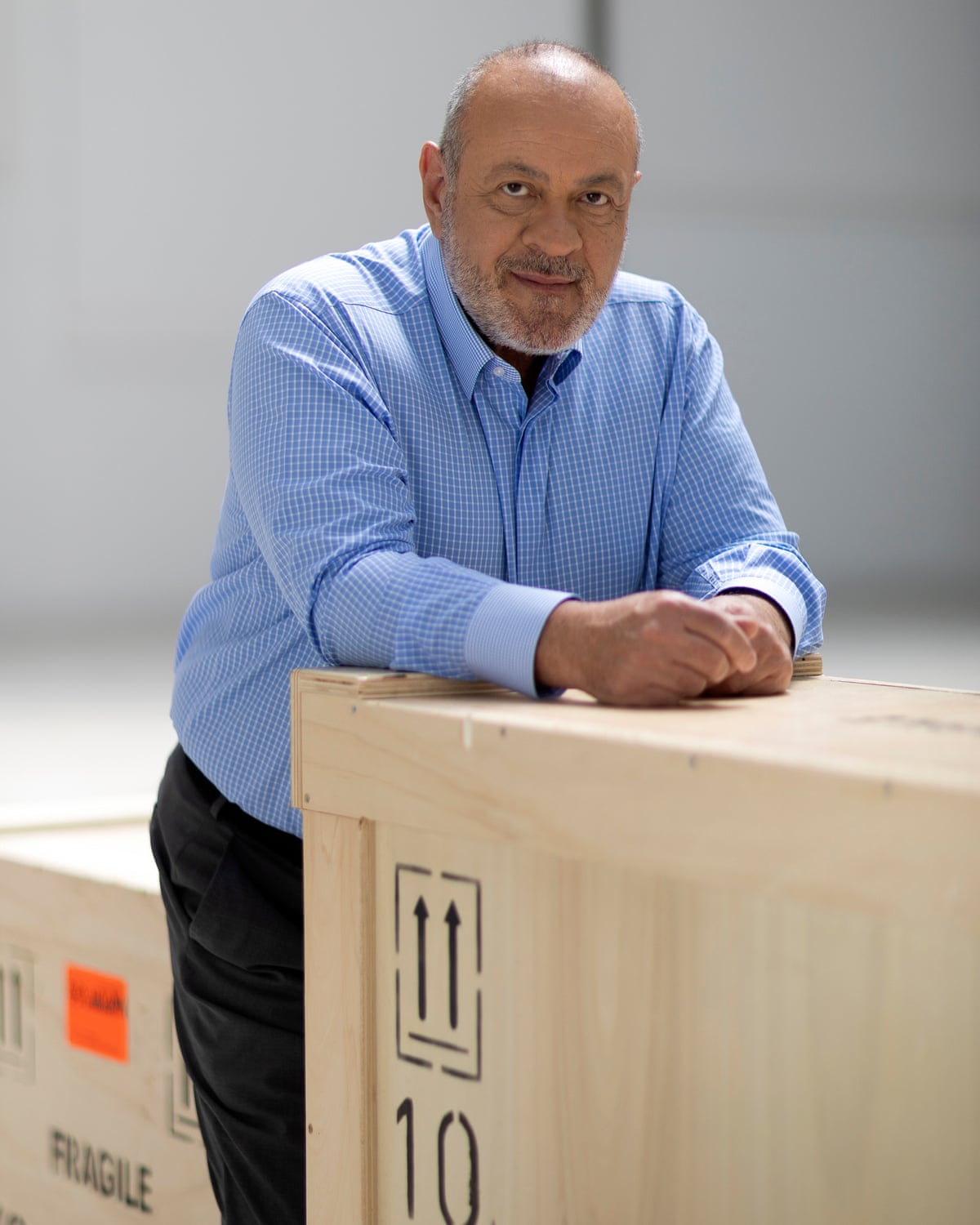
Dimitris Daskalopoulos has added 51 works to one of the most consequential museum-gifting programmes of the contemporary era. The real story is not generosity alone, but a collector’s unusually coherent answer to the problem of legacy.
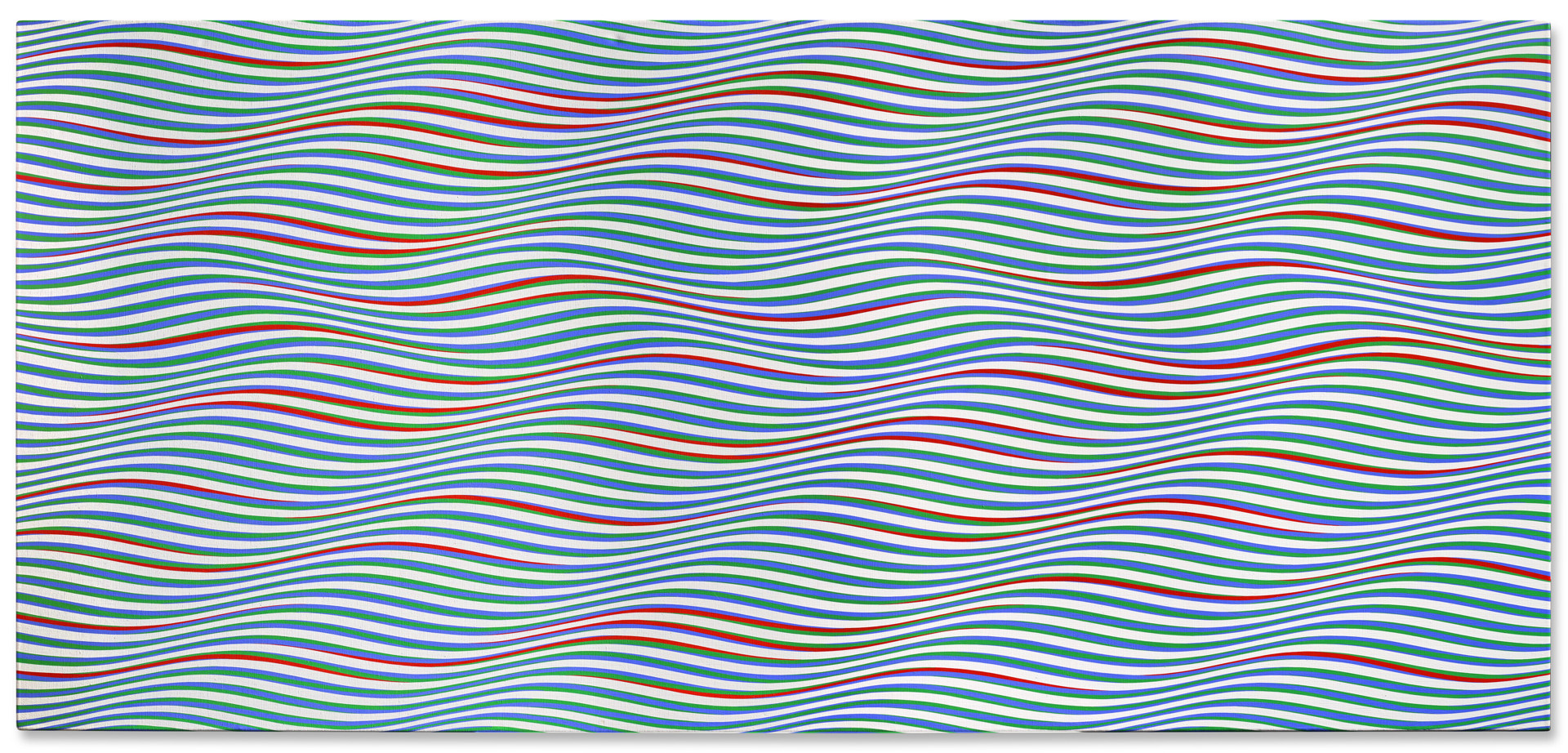
Peter Simon’s collection is large enough to read as a survey of modern and contemporary art, but its more useful story for collectors is personal: how a commercial eye trained on textiles, colour and pattern became an art-collecting instinct — and why conviction still matters when markets move against you.