
November 27, 2026
Exhibitions
Exhibitions

Design Miami’s 22nd edition explores collectible design through material, craft and domestic life, from historic masters to experimental contemporary furniture and objects.
NADA Miami returns 1–5 December with 130+ galleries and art spaces from 63 cities and 27 countries. ACN selects the emerging artists and programmes worth prioritising.
NADA Miami returns to Ice Palace Studios from 1–5 December 2026 with more than 130 galleries and art spaces from 63 cities and 27 countries. Forty-five exhibitors are participating for the first time. That scale is large enough to reward preparation but still focused enough for collectors to approach the fair as a place of discovery rather than a checklist of established names.
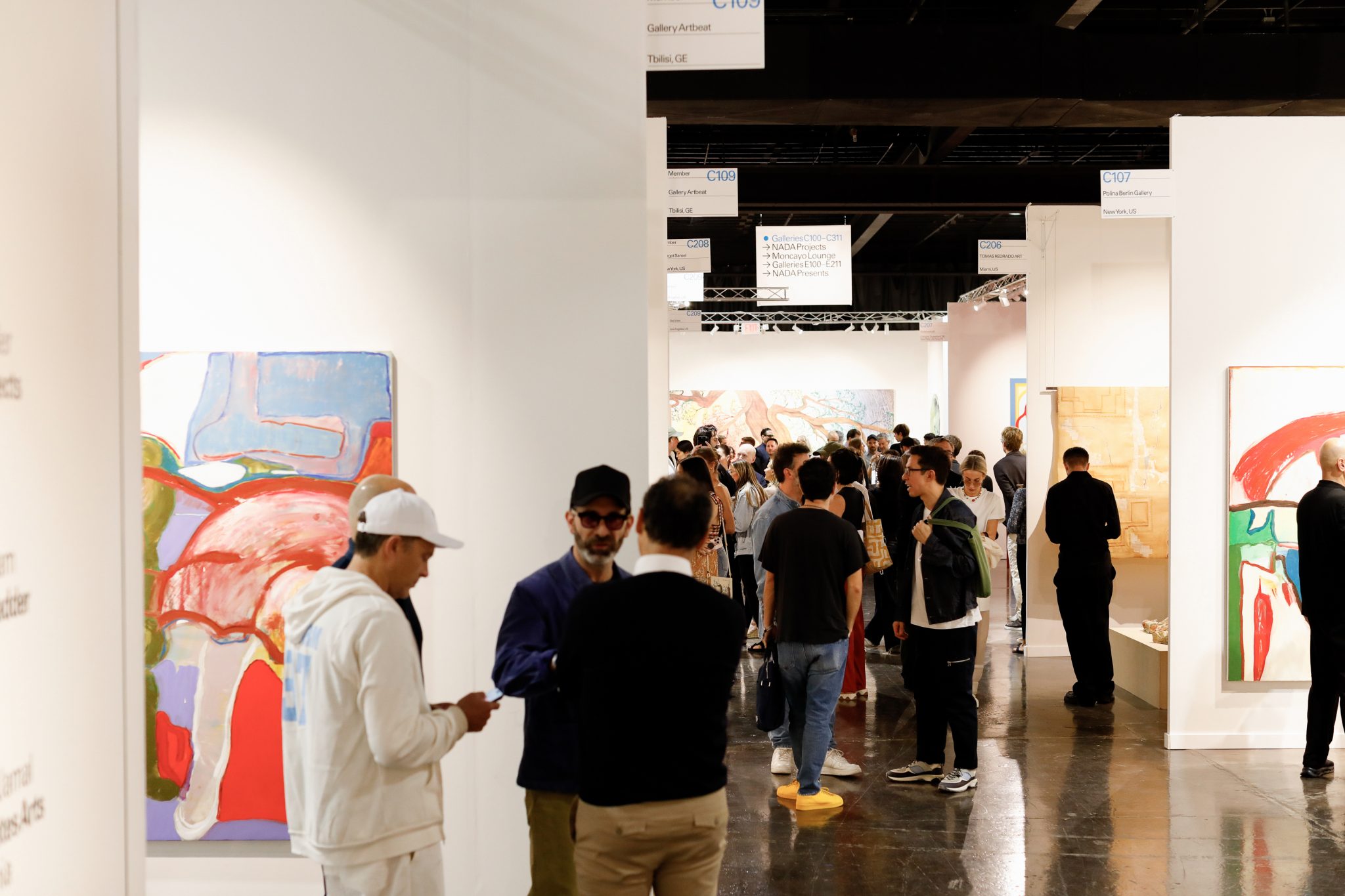
NADA’s importance has always been tied to the ecology around younger galleries: small programmes, artist-run initiatives and dealers working before consensus has fully formed. In 2026 that proposition is strengthened by the breadth of the exhibitor list and by a peer-review selection process that keeps the fair connected to a professional gallery community rather than simply expanding by volume.
For collectors, the advantage is not that everything is inexpensive or emerging. It is that the fair often makes visible the moment when an artist’s practice is becoming more legible—when a gallery has enough conviction to build a focused presentation, but before the work has been flattened into a familiar market narrative.
Among the announced highlights is Sheroanawe Hakihiiwe with ABRA, Caracas. Hakihiiwe’s drawings and works on handmade paper translate the visual and linguistic knowledge of his Yanomami community into a contemporary practice without separating image from cultural memory. His presence at NADA is especially timely given the wider institutional attention to his work in Miami.
Burnaway presents Antonio Darden in a solo presentation, while CASTLE brings Antone Könst, Gladwell Projects presents Lisu Vega, and Tyler Park Presents shows Jessica Palermo. A shared presentation by Eli Kerr and M. LeBlanc focuses on Vincent Larouche. These concentrated booths deserve priority because they give collectors enough material to understand progression, not simply identify a single attractive work.
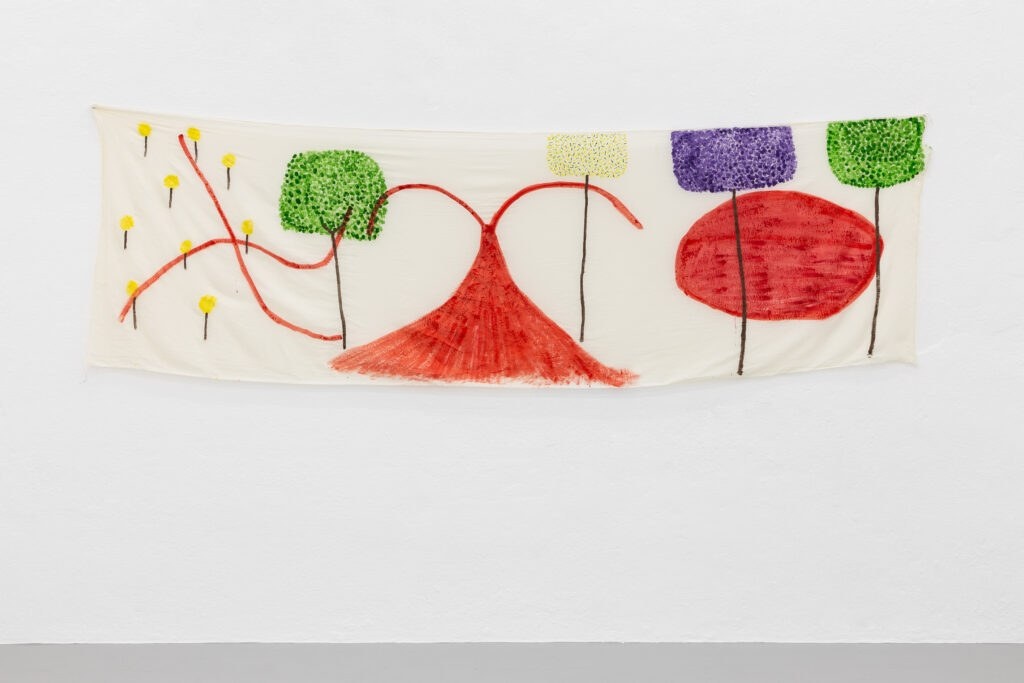
Gladwell Projects is using its NADA debut to announce representation of Miami-born artist Lisu Vega, presenting My body is a house inhabited by my memories, a new group of photographic textiles and sculptures made specifically for the fair. Vega draws on migration, the homes of her childhood in Maracaibo and the weaving traditions of her maternal Wayuu ancestry. The presentation follows her Pommery Prize at The Armory Show 2026 and precedes announced solo exhibitions at the Coral Springs Museum of Art in 2027 and the Mint Museum in 2028.
This is exactly the kind of moment NADA can make legible: a practice gaining institutional and gallery support without yet being reduced to a single recognisable market image. Collectors should look at how photography, textile and sculpture operate together rather than extracting one medium from the installation.
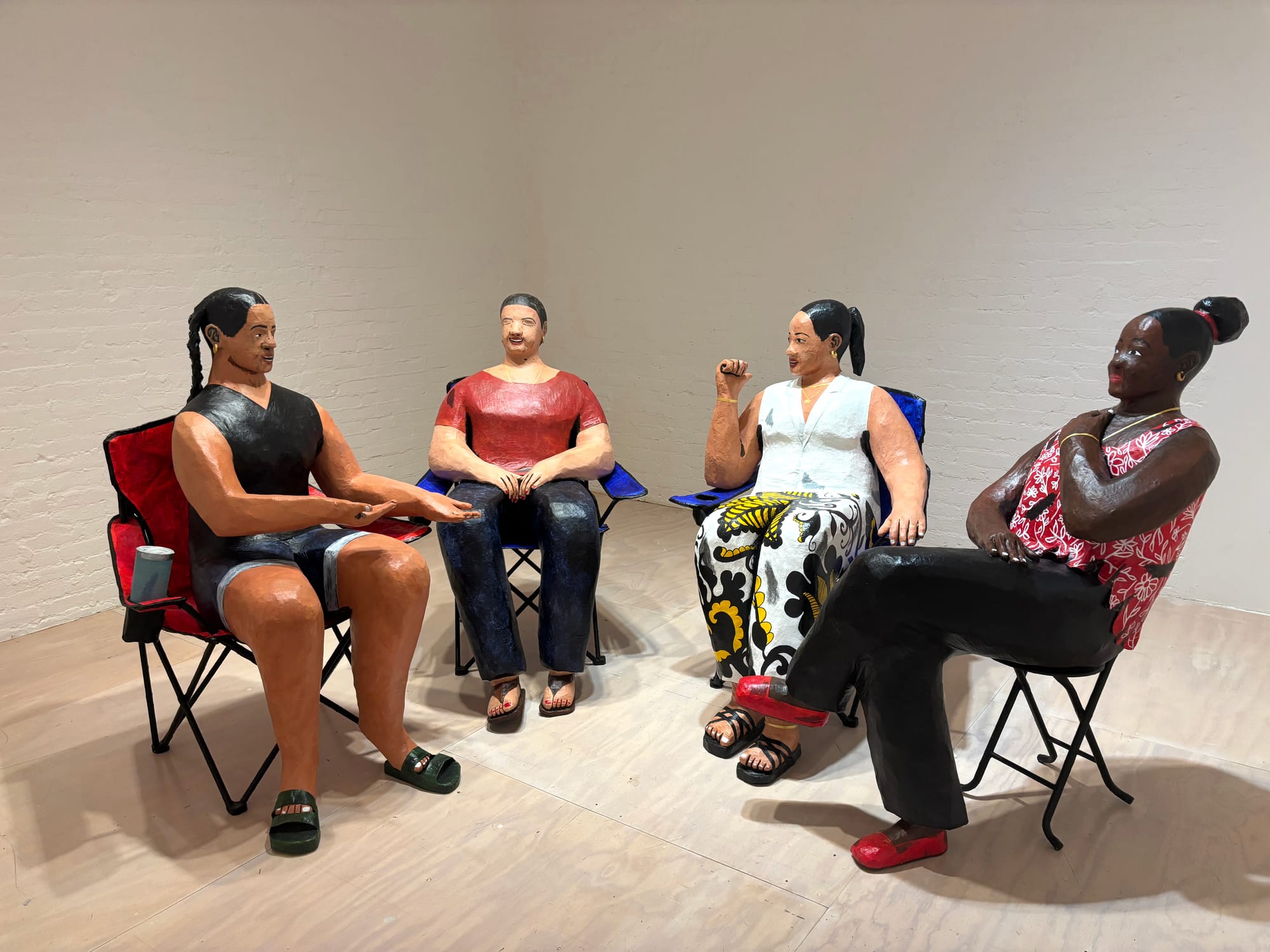
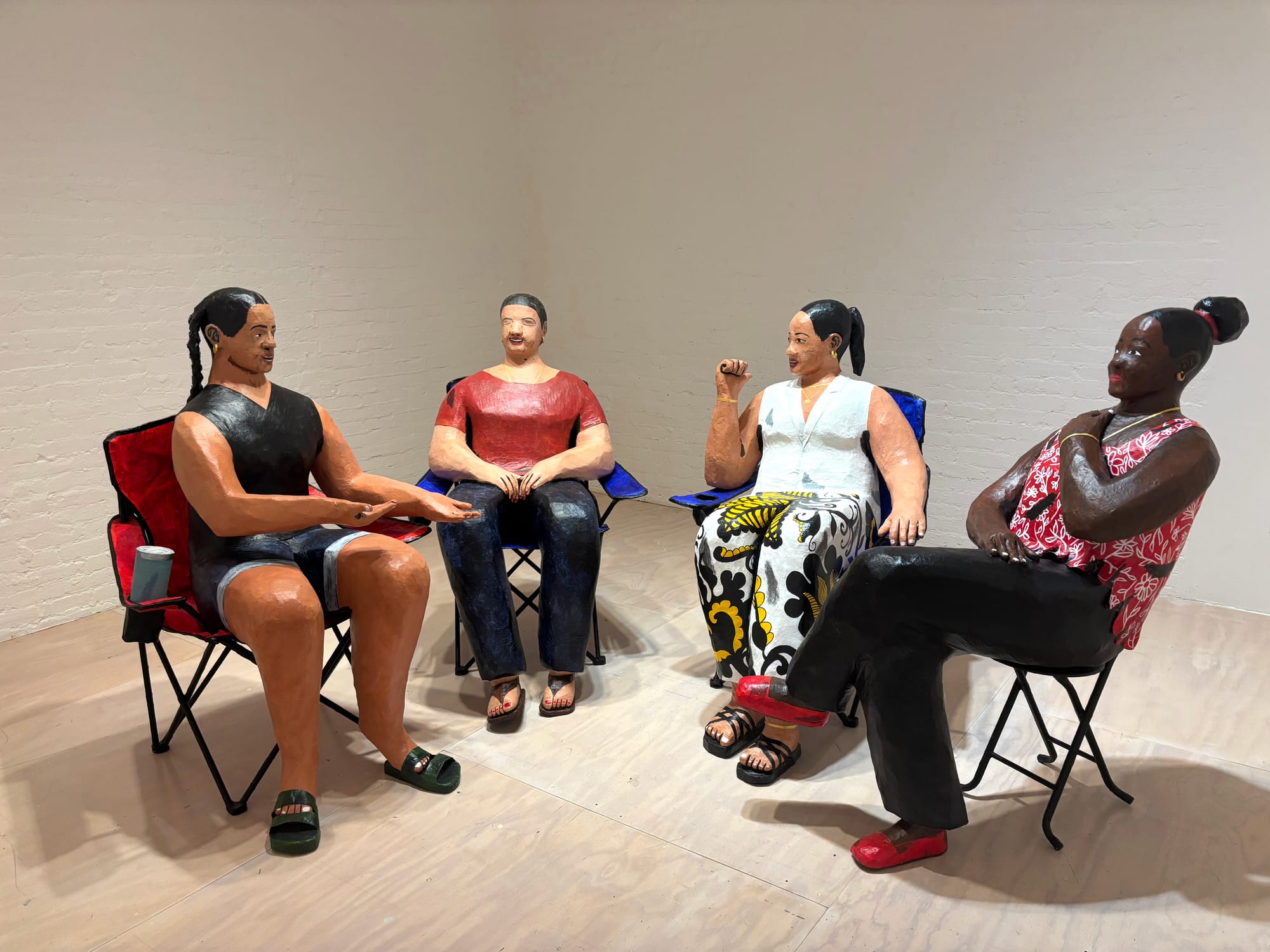
Miami-based Primary presents a solo booth by Piero Penizzotto, including The Council of las Tías (Mary, Milagros, Cinthia, Nereyda) (2026), a human-scale group in papier-mâché, foam, metal and acrylic. The work was shown earlier this year in Greater New York at MoMA PS1, and its reappearance in a commercial-fair context makes an interesting test of how a materially humble, socially specific sculpture travels between institution and market.
Penizzotto’s figures are built around family, friendship and collective memory. For collectors, the practical questions matter too: large multi-figure works require clear installation diagrams, packing protocols, condition documentation and an understanding of which components are integral to the work.
Gallery Bogart’s solo project by Napoleón Aguilera, Pesados, turns cowboy hats and boots into carved objects in basalt, obsidian and cedar, collapsing symbols of Western dress, luxury and criminal folklore. Feia stages Benjamin Cabral’s [insert coin] around a functioning hand-bedazzled children’s carousel, while Chozick Family Art Gallery anchors its booth with Sara Jimenez’s Torana, a ceramic archway assembled from roughly 80 components and informed by sacred and military architecture in the Philippines.
These are useful presentations for collectors because they make material and installation inseparable from subject. They also require more due diligence than a framed painting: ask how multi-part works are packed, numbered and installed; whether replacement components are permitted; and what documentation travels with the work.
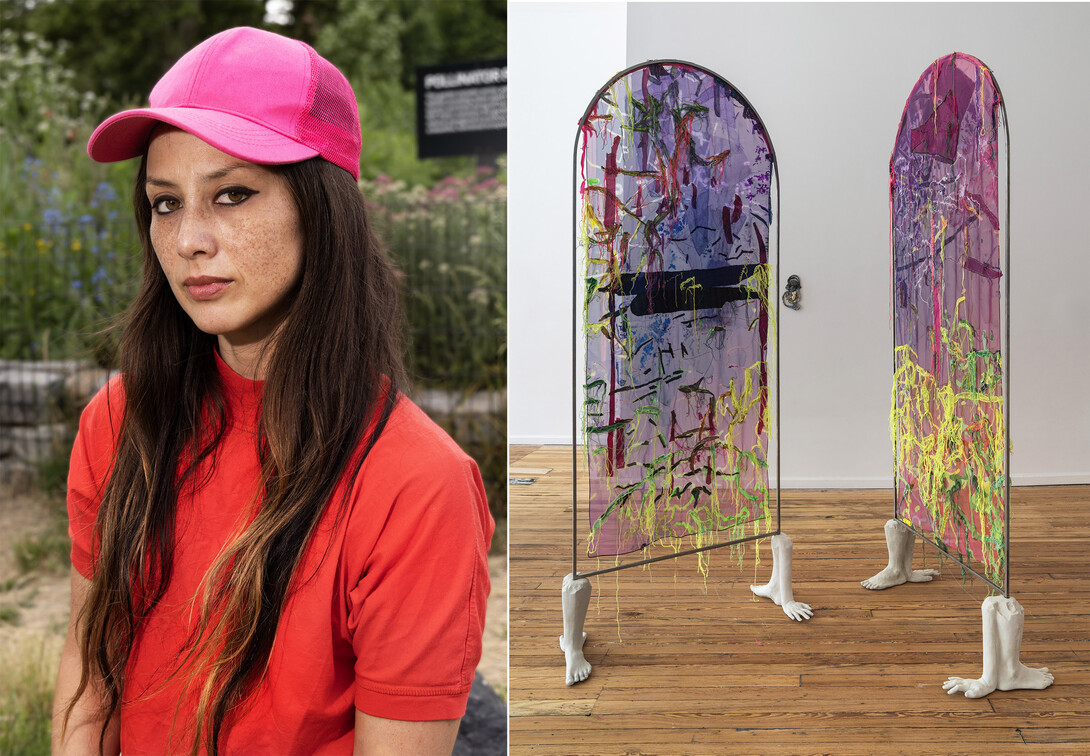
Dio Horia’s presentation includes Ioanna Pantazopoulou’s A.S.S. | A Strange Solution, three outdoor towers built from discarded material and found furniture that are gradually dismantled into chairs, tables and benches for visitors. EY Projects presents Kangjun Zhong, whose works weave shredded bilingual newspapers and Chinese pharmaceutical packaging into painting-like surfaces, connecting his parents’ manual labour and weaving histories to contemporary image-making.
Both projects complicate the idea of the fair booth as a static sales display. Their value will be clearer in person, when transformation, touch and spatial use can be assessed rather than inferred from press images.
The Projects programme includes Alli Conrad with Dominique Porter Gallery, Noelle Africh with Twelve Ten Gallery and Kaoru Okubo with TATSURO KISHIMOTO. Projects can be particularly useful for collectors willing to look beyond easily transportable painting: installation, experimental display and less market-tested formats often reveal more about an artist’s ambitions than a conventional booth wall.
Sheet Cake Gallery and TINNEY use the 30th anniversary of The Birdcage as a curatorial prompt for work by Adam Linn, Joel Parsons and Esther Ruiz. Linn’s saturated drawings turn architectural hardware into bodily forms; Parsons works through stained glass, mirrors and the social memory of queer nightlife; Ruiz combines neon, geological material and highly fabricated surfaces. Works announced for Miami include Linn’s Lock Body (2026), Ruiz’s Finback Sentinel (2026) and Parsons’s Club Revelations (2026).
The presentation is worth noting because emerging-art fairs are strongest when a booth has an argument rather than a loose collection of inventory. Collectors can evaluate how three distinct practices are being made to converse—and whether that curatorial frame deepens rather than overwhelms the individual works.
The 45 first-time exhibitors include Pietro Alexander from New York, Clauda from Prague, FORGOTTEN LANDS from Christiansted, Real Tinsel from Milwaukee and Slip House from New York. The fair also includes participants from Lagos, Havana, Tokyo, Buenos Aires and Kansas City. That geographic spread should be treated as more than a diversity statistic. It gives collectors an opportunity to compare how younger galleries build programmes in very different local markets.
A useful strategy is to spend less time asking which artist is “hot” and more time asking why a gallery has chosen to bring this particular body of work to Miami. The answer often reveals the depth of the dealer’s commitment, the stage of the artist’s development and whether the presentation has been assembled around a coherent idea or simply market availability.
A portion of ticket proceeds will support the ninth annual NADA Acquisition Gift for Pérez Art Museum Miami. The initiative provides funding for PAMM curators to acquire work from the fair for the museum’s permanent collection. Previous acquisitions have included works by artists such as Cassi Namoda, Nikita Gale, Kenny Rivero and Sheroanawe Hakihiiwe.
The programme does not tell private collectors what to buy, but it adds an important institutional layer to the fair. It is evidence that the event’s role in Miami extends beyond short-term sales and into museum collections.
For emerging work, ask for context before price. What is the artist making now, and how does the work on the wall fit into that body of work? Has the gallery worked with the artist over time? Are there forthcoming exhibitions, institutional projects or publications? How many related works exist? If the work is editioned, how is the edition structured?
Then look carefully at fabrication and condition. Younger does not mean disposable, and experimental materials deserve the same scrutiny as established media. Ask who fabricated the work, how it should be installed and what conservation issues are known. A collector who understands the physical life of an artwork is in a stronger position than one who buys on momentum alone.
Fair details: NADA Miami 2026, Ice Palace Studios, 1400 North Miami Avenue.
VIP Preview: 1 December, 10am–4pm.
Public hours begin 1 December at 4pm and continue through 5 December.
Design Miami’s 22nd edition explores collectible design through material, craft and domestic life, from historic masters to experimental contemporary furniture and objects.

NADA Miami returns 1–5 December with 130+ galleries and art spaces from 63 cities and 27 countries. ACN selects the emerging artists and programmes worth prioritising.

What happens when two women with a combined of more than 20 years of navigating the art world from within decide to create the opportunities they believe are missing from today's artistic landscape?