
November 14, 2026
Exhibitions
Exhibitions

Frieze Abu Dhabi opens 19–22 November with 89 exhibitors. From regional modernists and Frieze Masters to Dala Nasser’s commission, our collector’s preview.
From Wendell Castle and Ron Arad to Joris Laarman and contemporary material innovators, a collector’s guide to authenticity, editions, provenance and living with sculptural furniture.

When does a chair become a sculpture? The question can sound like a joke until a collector tries to buy one. A chair by Wendell Castle may be a unique experiment in carved wood; a similarly striking example by Ron Arad may exist as a one-off steel object, a limited variant or a widely manufactured model. Both belong to the history of design, but the ownership propositions differ substantially. The serious collector must learn to distinguish visual similarity from artistic identity.
The growing interest in collectible design is not simply about luxury interiors. It is about artists and designers using familiar functions—sitting, lighting, storage, gathering—to test the boundaries of materials, fabrication and form. The best pieces reward close study in the same way painting and sculpture do. But collectible furniture adds a practical layer of obligations: what happens when someone actually uses it?
Wendell Castle (1932–2018) provides an unusually clear starting point. His early stack-laminated forms turn wood into organic volumes that barely resemble conventional cabinetmaking. The 1965 Armchair shown below has a distinctive sculptural language: seat, support and back are treated not as separately joined parts but as one continuous bodily proposition.
Castle’s career is also a caution against assuming that all works by an important maker are equivalent. A unique early piece, a documented edition, a later design, a prototype and a posthumous production require different research. Collectors should establish whether the offered work matches a catalogue record, who fabricated it, whether it was made during the artist’s lifetime, and how any restoration affects its originality.

Friedman Benda’s autumn 2026 exhibition Wendell Castle: Living offered an instructive historical frame by reconstructing the domestic environment Castle shared with ceramic artist Nancy Jurs. The exhibition was inspired by a 1973 magazine feature and curated by their daughter Alison Castle. Its insight was disarmingly simple: many works now admired in galleries and museums were made to be lived with. The challenge for today’s collector is to respect their historic integrity without turning a home into a warehouse of untouchable objects.
The Ron Arad Big Easy is almost a textbook lesson in edition literacy. Arad’s original late-1980s design involved cut, bent and welded sheet steel, a deliberate contradiction between the swollen silhouette of a padded club chair and the unforgiving reality of metal. He later developed many forms and versions, and Moroso subsequently produced more accessible models. They share a powerful design language, but they are not the same collecting object.
A dealer description that simply says “Ron Arad, Big Easy chair” is incomplete. The essential information includes the precise model, designed and fabricated dates, manufacturer, finish, material, any edition or production numbering and documentary evidence. A common manufactured version can be an outstanding functional purchase without carrying the scarcity or historical importance of an early experimental object. Conversely, an expensive early prototype can require more conservation care than a newer edition.
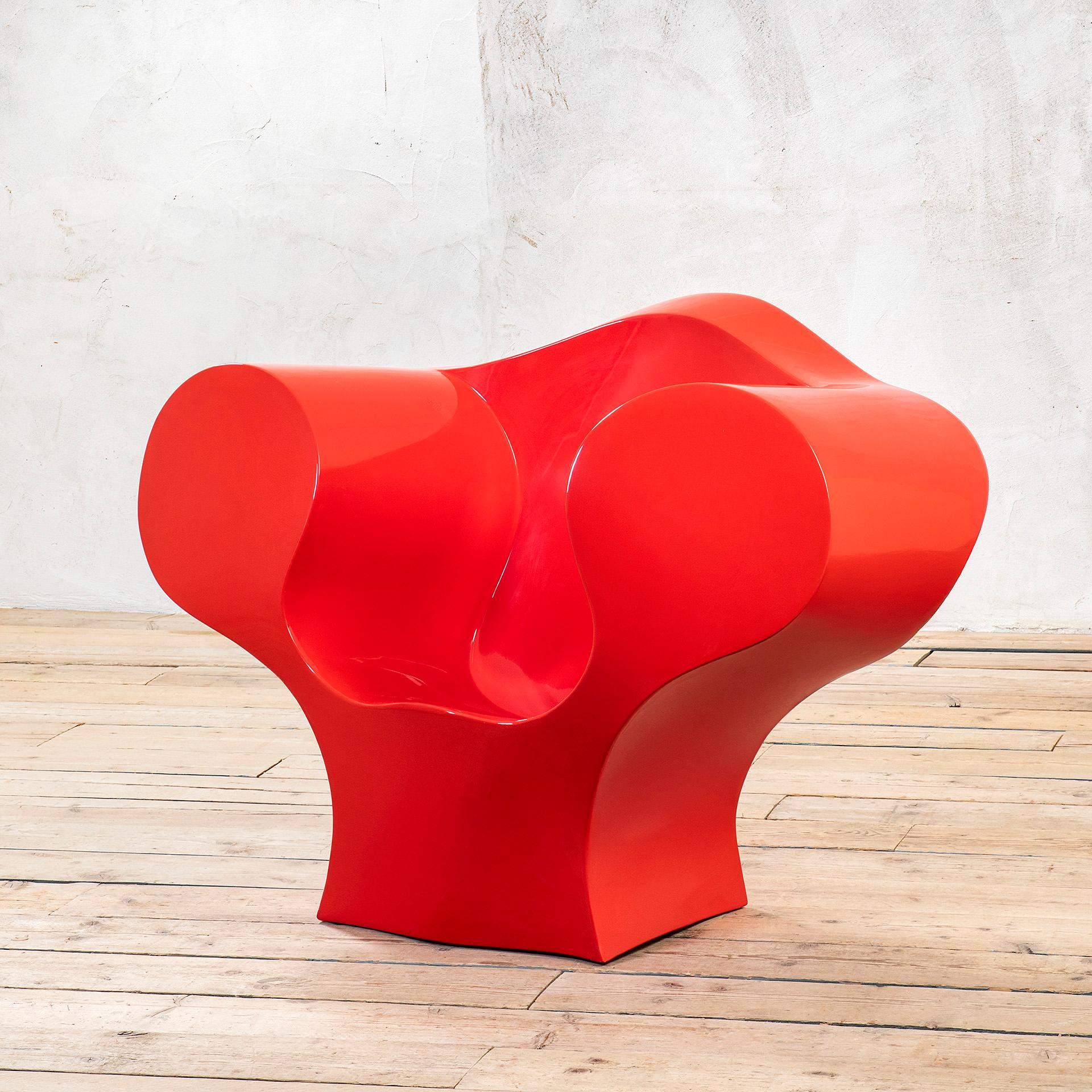
To buy intelligently, ask for photographs of the underside and any maker’s marks; a copy of the invoice or gallery certificate; the edition statement if one exists; a condition report describing changes to finish and structure; and an explicit explanation of whether the work may be used as furniture. If information cannot be obtained, uncertainty should affect the decision and the price, not be disguised by an emphatic sales description.
Joris Laarman’s Bone Chair (2006) shifted the discussion beyond hand-carved organic form. Developed with structural optimisation software informed by biological growth processes, the aluminium chair concentrates material where strength is needed, producing the look of a skeleton without copying a particular animal. An example belongs to the Museum of Modern Art’s design collection. Its significance is not that a computer made something unusually shaped, but that computational reasoning changed how form could be generated.
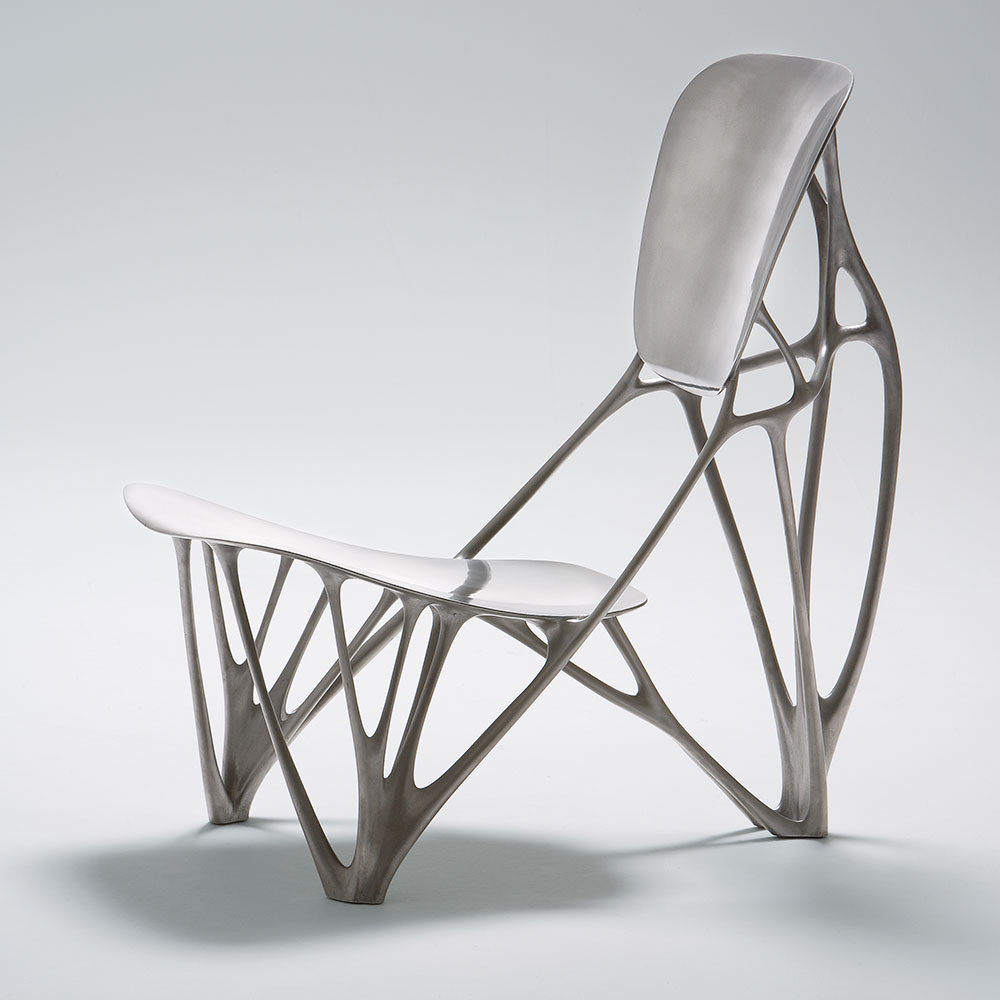
A collector considering digitally produced design needs more than a conventional materials label. It is worth asking which model was used, what was physically fabricated, what constitutes an original file or casting, whether later editions are allowed, and who controls the relevant design and fabrication rights. When a work relies on software or bespoke components, serviceability and future fabrication may become central conservation questions.
The same principle applies to new technologies marketed as instantly collectible. “3D-printed” is a description of manufacture, not proof of authorship or rarity. The strongest examples use technology to advance an artistic idea; they do not rely on technical novelty alone.
Contemporary collectible design increasingly asks where materials originate and what their production reveals about local economies. Fernando Laposse has worked with totomoxtle, a veneer made from colourful Mexican corn husks, linking beautiful surfaces to agricultural histories, Indigenous knowledge and questions of biodiversity. A collector should ask not only whether the finished table is striking, but also how the material was sourced, who participated in production and how its natural variations should be preserved.
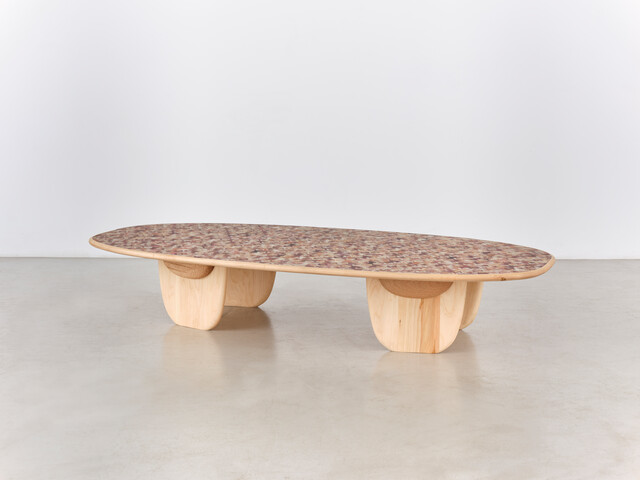
This is a domain where genuine curiosity is more useful than easy claims about sustainability. Materials that look renewable can still require complex adhesives or treatments; alternative fibres can be sensitive to moisture and sunlight. A transparent studio should be able to explain what can be repaired, which surfaces will change and how the work was made. The most compelling material narratives do not simply decorate an object with an ethical slogan. They shape its form and long-term meaning.
Laposse’s 2023 exhibition Ghosts of Our Towns at Friedman Benda expanded those questions into installation and social history. Such projects remind collectors that a functional object may be one aspect of a broader practice rather than the final product of a design studio.

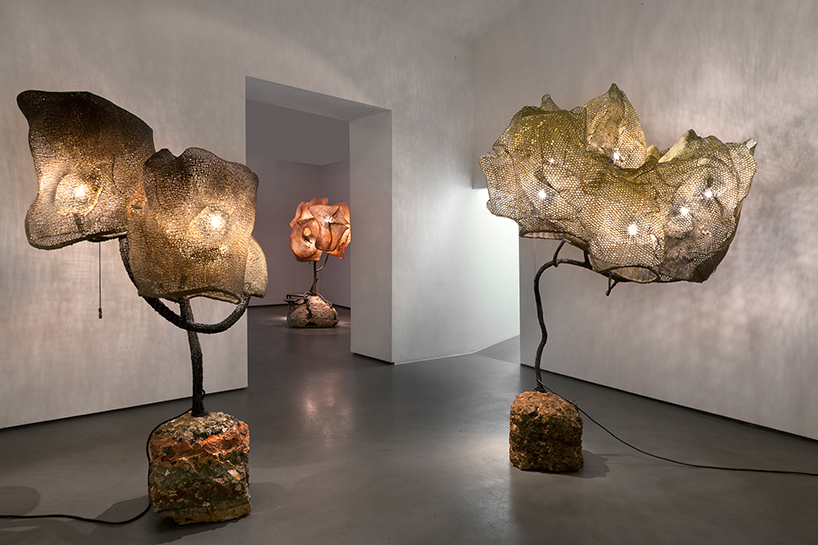
Nacho Carbonell creates extraordinary environments in which seats, tables and lights can resemble shelters, nests or protective architecture. A work such as Table Cocoon 7 invites its owner into a space that is almost theatrical. This appeal comes with obligations: what load can it bear, which parts are structural, how is its surface cleaned, and what kind of light source can safely be replaced?
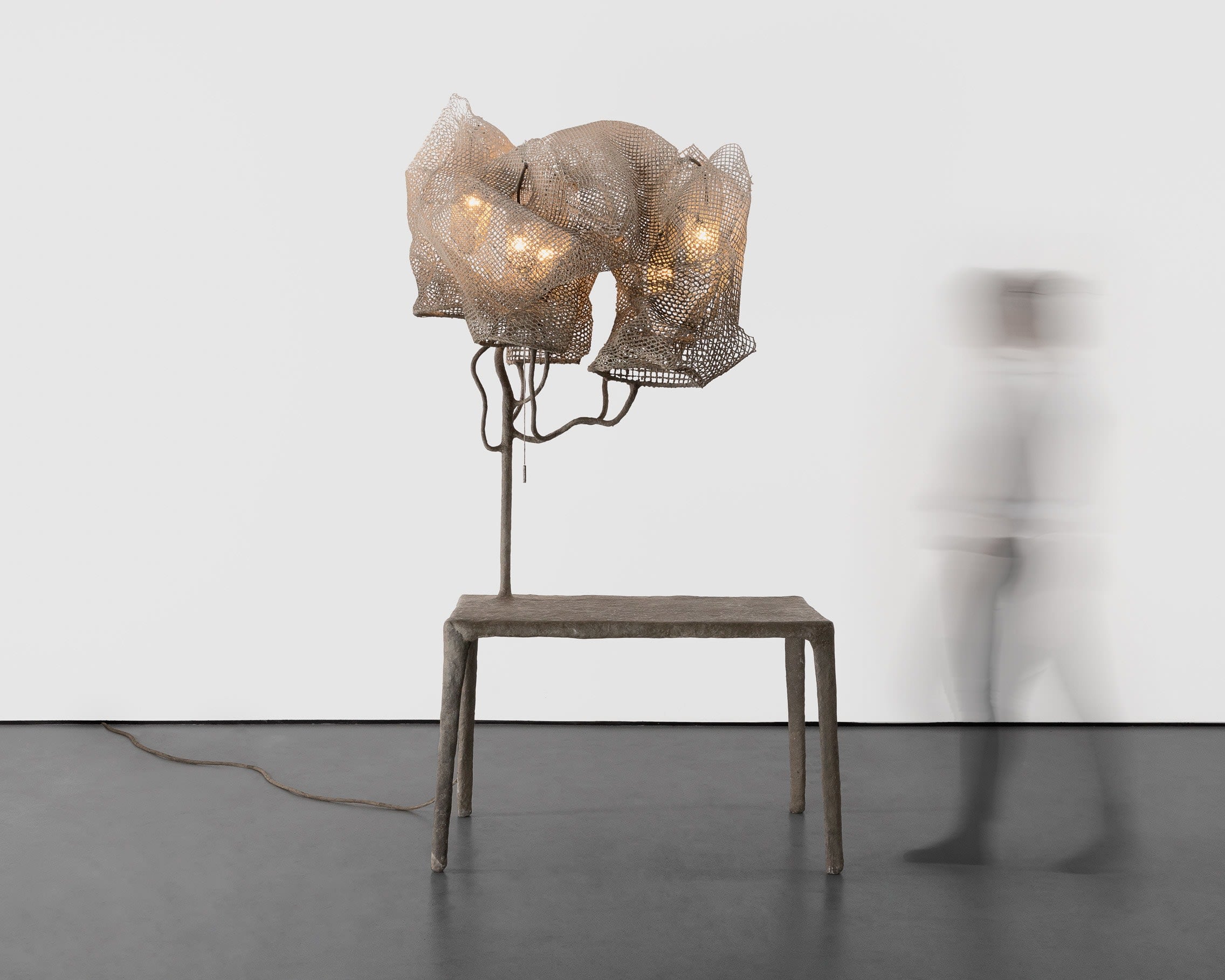
His installations demonstrate that the material life of design may be as expressive as its silhouette. A collector choosing an object for a home must decide whether a piece is intended for regular use, occasional use or essentially display. None of these choices makes it less serious; confusion between them is what damages objects and disappoints buyers.
Identity. Confirm designer, exact title or model, production date, edition, fabricator and any modifications. A model first designed in 1988 but fabricated years later should be dated accordingly, not passed off as an original from 1988.
Provenance. Ask for the original invoice, historic photographs, exhibition labels, correspondence and prior conservation records where relevant. A plausible narrative is not a substitute for documents.
Condition. Inspect all sides. Look for replaced components, new lacquer, undocumented welding, warped wood, cracked resin, replaced upholstery, repairs to joins and unstable electrical systems. A condition report should specify who performed the work and why.
Function. Clarify permitted use and load-bearing limits; obtain written guidance for electrical compliance, fire safety and ongoing maintenance where relevant. Art value does not create an exemption from practical safety.
Scale. Measure doors, lifts, turning radii and routes through the home, not just the final display space. Large organic objects can be unusually difficult to move, and shipping can add material cost and risk.
Aftercare. Ask who can repair the object without compromising its authenticity, whether spare components or material samples are available, and what insurance and conservation arrangements make sense.
A primary gallery may provide the clearest access to a living artist’s studio, technical documentation and future support. Secondary galleries and specialist auctions can offer important earlier works, but they place greater responsibility on the buyer to verify attribution, alteration and comparables. Price research should compare like with like: the same model, material, production era, edition status and condition. A market record for a rare unique chair cannot justify the asking price of an ordinary production version with the same silhouette.
For collectors of both art and design, there is a creative opportunity in refusing the rigid separation of categories. A historic chair can sit near a painting without pretending to be a painting; a lamp can illuminate a sculpture while possessing a sculptural argument of its own. The room becomes strongest when the objects have conversations, not when each is chosen to announce a brand.
Collectible design is not a shortcut to the art market. At its best it is a demanding field with its own art history, material expertise and responsibilities of care. Start with the works you would want to live with after the fashion for a particular name has faded, then learn everything possible about how those works came into being.
Frieze Abu Dhabi opens 19–22 November with 89 exhibitors. From regional modernists and Frieze Masters to Dala Nasser’s commission, our collector’s preview.
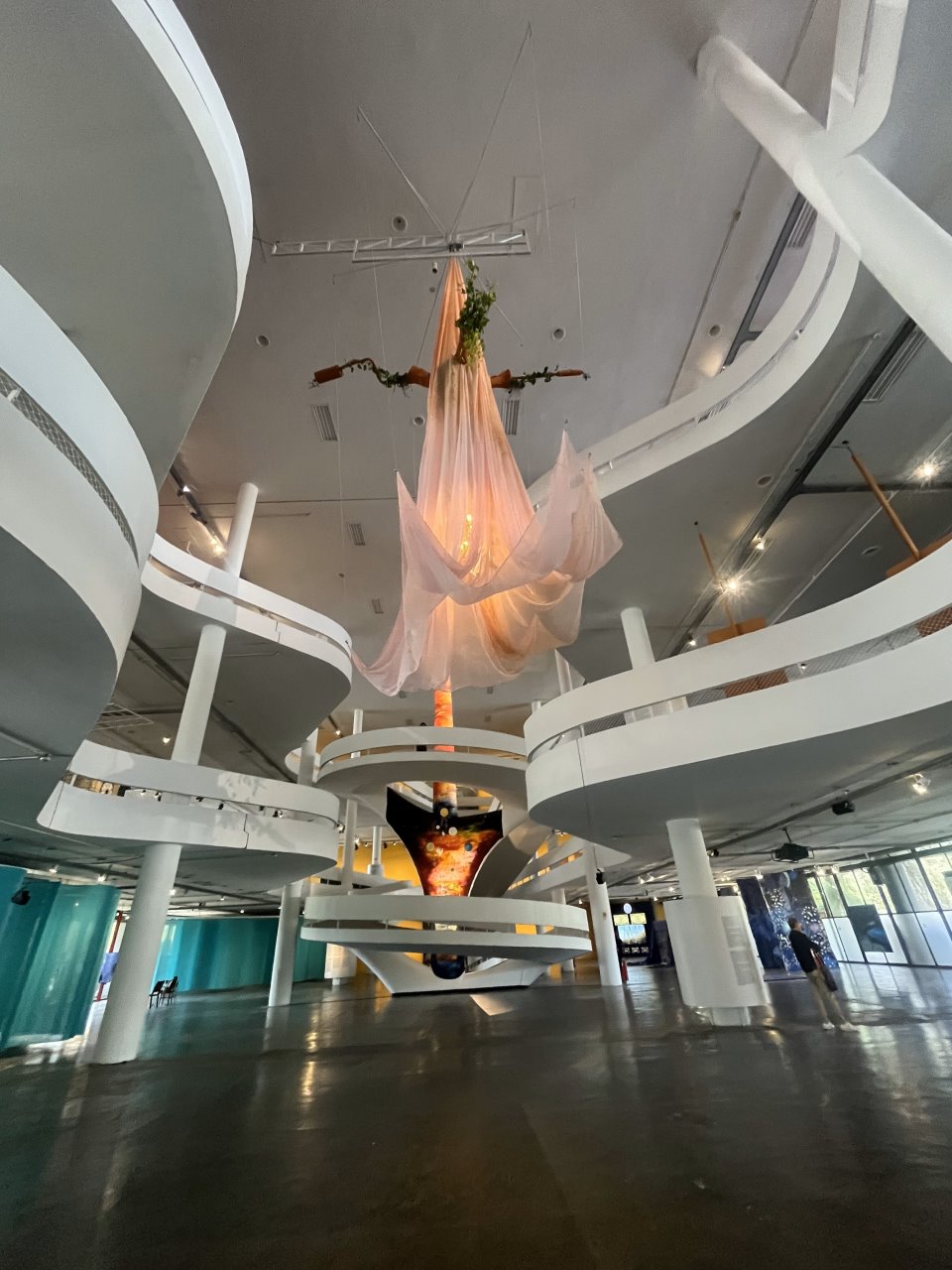
Carlos Amorales, the São Paulo Biennial at Tamayo, Julian Charrière and three sharper smaller-scale projects make Mexico City one of November’s richest research destinations.
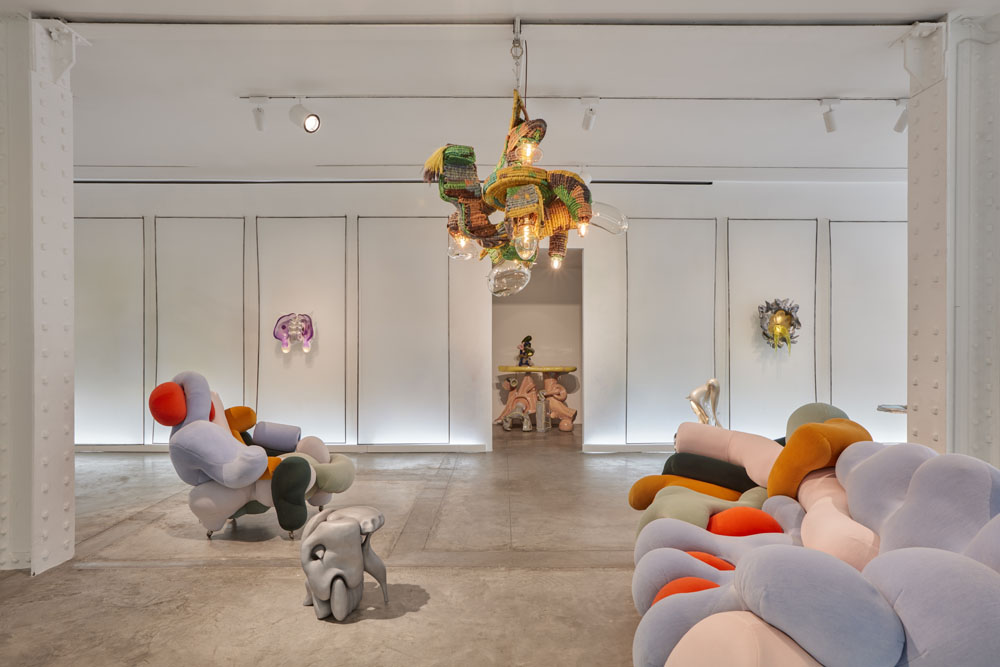
From Wendell Castle and Ron Arad to Joris Laarman and contemporary material innovators, a collector’s guide to authenticity, editions, provenance and living with sculptural furniture.