LATEST NEWS:
Jenny Holzer & Andy Goldsworthy win 2026 Praemium Imperiale • €9m Renoir museum heist in France • Dimitris Daskalopoulos donates 51 works to museums in Greece & Scotland • Artist Lucien Smith dies aged 37 • Faro Santander opens with 1,000-work collection • Argentina orders return of Nazi-looted Old Master • Greece rejects Parthenon Marbles loan request • Smithsonian chief Lonnie Bunch announces retirement
Go Back
Magazine

Gordon Cheung: When Money Becomes Landscape

In his first solo exhibition with Kavi Gupta, Gordon Cheung turns obsolete financial information into landscapes and objects that ask how markets, technology and inherited visual systems make belief feel natural.

Exhibitions
Exhibitions
Gordon Cheung: When Money Becomes Landscape

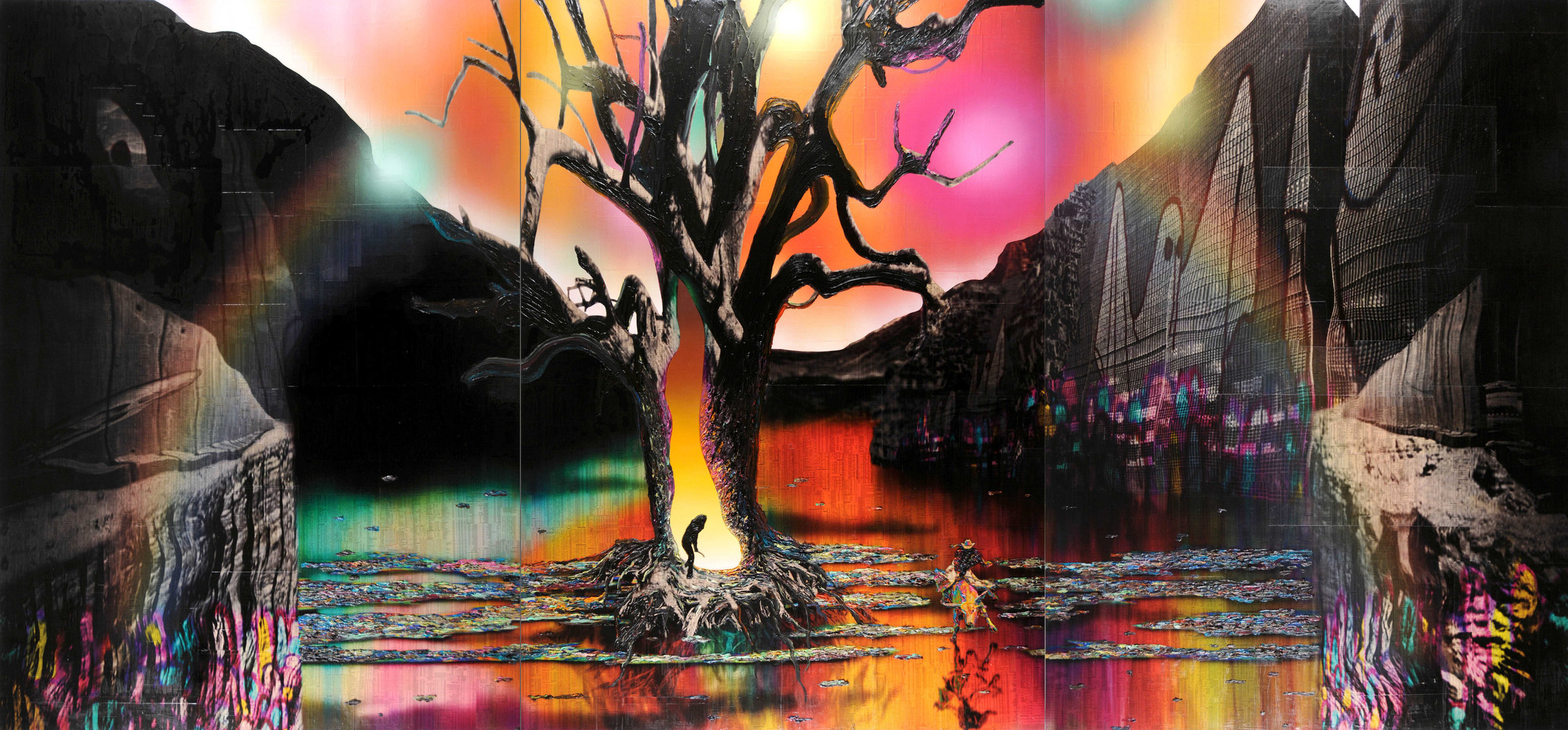
Gordon Cheung has spent more than two decades turning the visual language of finance into physical matter. In Consensual Halluci/nation, opening at Kavi Gupta in Chicago on 17 September, the old Financial Times listings, digital imagery, 3D processes and references to Chinese landscape culture do not merely coexist. They are made to compete for authority.

This is Cheung’s first solo exhibition with Kavi Gupta. The gallery frames the show around technology, global finance, colonial history and systems of belief, but the most useful entry point for collectors is material: Cheung takes information designed to become obsolete almost immediately and forces it to persist as an object.

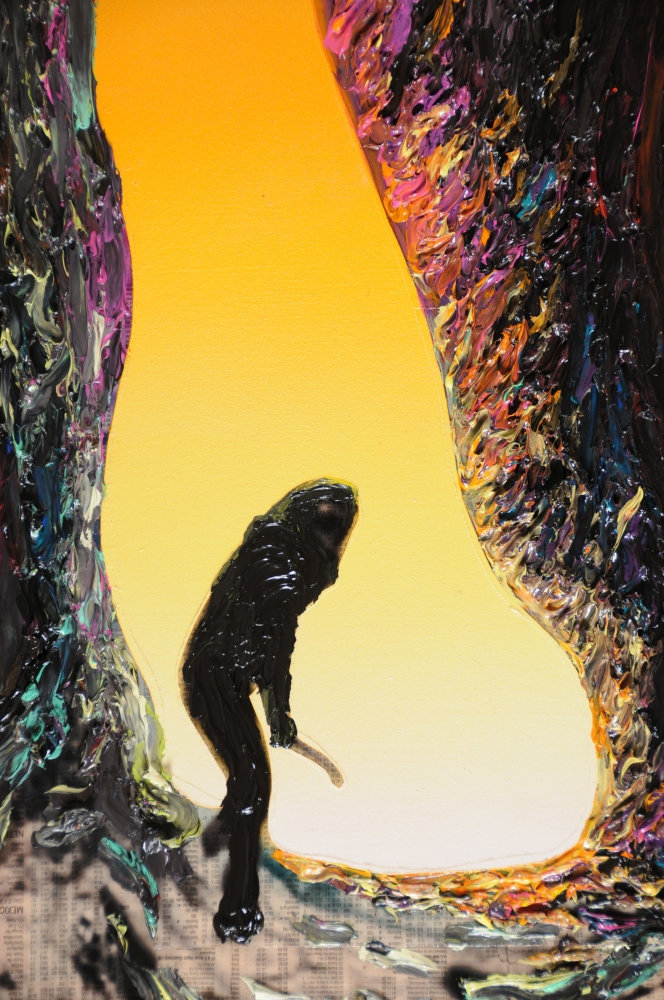
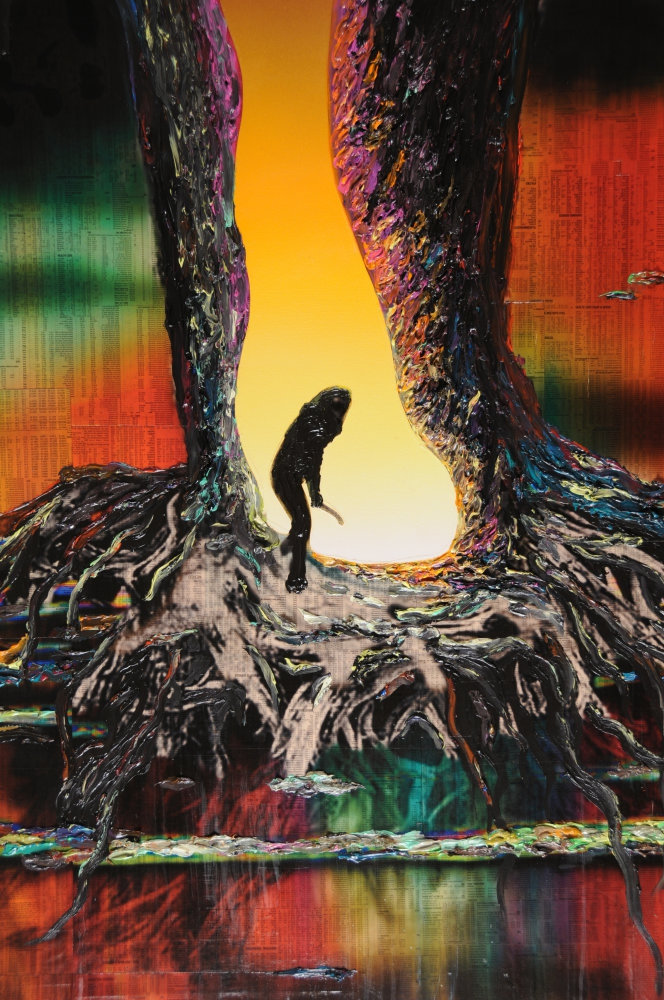
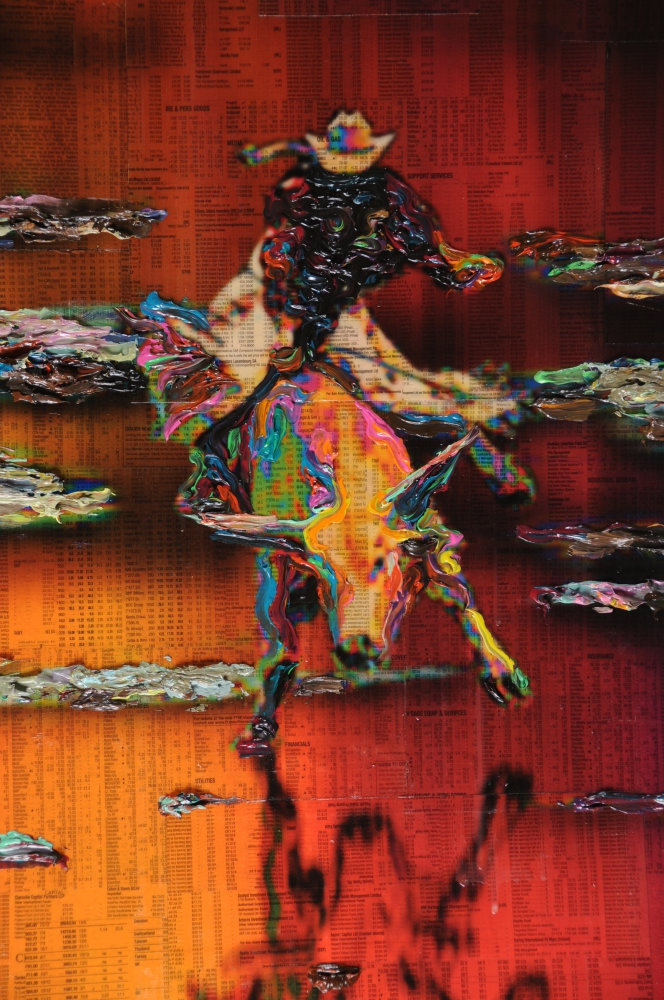
Financial newspaper stock tables are an especially elegant material for that purpose. Their numbers once presented themselves as an objective description of value. A day later, they were out of date. In Cheung’s work they can become terrain, atmospheric fields or the skin of sculptural forms, shifting from information to archaeology.

When money becomes landscape

Gordon Cheung current exhibition image 1
Gordon Cheung, Four Horsemen of the Apocalypse, 2009, financial newspaper and acrylic on canvas. Included in the cross-period context for Consensual Halluci/nation. © Gordon Cheung; courtesy the artist and Kavi Gupta.

The landscape tradition has always carried systems of power: ownership, mapping, cultivation, extraction and the cultural conventions that determine what counts as nature. Cheung overlays that history with another landscape—the market—whose movements are abstract but whose consequences are material.

That is why the scholar’s rock is such an effective form in his practice. Historically prized as objects of contemplation, scholar’s rocks compress geological time into an intimate collectible object. Cheung’s versions collide that slow temporality with the compressed speed of financial data and contemporary fabrication.

The result is less a simple critique of capitalism than a study of how belief is made visible. A market price, a digital rendering and a classical landscape all ask the viewer to accept a system for translating the world.

AI is present, but it is not the whole story

Gordon Cheung current exhibition image 2
Gordon Cheung, Four Horsemen of the Apocalypse, 2009, financial newspaper and acrylic on canvas. Included in the cross-period context for Consensual Halluci/nation. © Gordon Cheung; courtesy the artist and Kavi Gupta.

The exhibition also includes AI-generated and digitally manipulated imagery, but treating Cheung as an 'AI artist' would flatten the work. His practice predates the current generative-AI cycle and has consistently examined the relationship between technological systems and older histories of representation.

What changes now is the cultural familiarity of synthetic images. The question is no longer whether an image can be digitally fabricated; it is how quickly fabricated and financial realities become normal enough to structure behaviour.

Cheung’s hybrid surfaces are strongest when they keep that instability visible. Sand, spray paint, acrylic, newspaper, 3D-printed or digitally produced elements can occupy the same work without resolving into a single medium. The object feels simultaneously handmade and system-generated.

What collectors should look for

Gordon Cheung current exhibition image 3
Gordon Cheung, Four Horsemen of the Apocalypse, 2009, financial newspaper and acrylic on canvas. Included in the cross-period context for Consensual Halluci/nation. © Gordon Cheung; courtesy the artist and Kavi Gupta.

For collectors, material specificity matters. Works that share Cheung’s recognisable visual vocabulary can differ substantially in construction, scale and conceptual density. The newspaper is not a neutral background; neither is the choice of three-dimensional form.

Provenance and condition also deserve attention where newspaper and mixed media are involved. Works built from intentionally fragile or fugitive materials should be documented carefully, and collectors should understand how the artist expects surfaces to age.

More broadly, Consensual Halluci/nation is a reminder that the most interesting technology-oriented art is rarely about technology alone. Cheung connects new image systems to the much older human desire to make value, territory and authority look natural.

An exhibition that deliberately spans time

Consensual Halluci/nation is not presented as a single-year snapshot. Kavi Gupta describes it as bringing together new and significant works from across Cheung’s practice. That makes the older paintings important rather than incidental. A work such as Four Horsemen of the Apocalypse or Promise Land can be read against newer pieces built with Financial Times newspaper, archival inkjet printing and 3D-printed PLA filament. The technologies change, but the underlying concern with how systems manufacture reality remains strikingly consistent.

For collectors, this kind of cross-period exhibition is useful because it exposes continuity that can disappear in auction or fair presentations. The question is not simply whether Cheung adopted artificial intelligence or 3D printing early enough to appear technologically current. It is whether those tools extend a longer investigation into financial abstraction, mediated landscape and the unstable boundary between image and object.

Financial newsprint is both material and historical evidence

The Financial Times has been central to Cheung’s visual language for years. It is easy to reduce that material to a symbol of capitalism, but its function is more specific. A financial newspaper presents itself as a daily map of value: columns, numbers and prices that appear authoritative for a very short period before being superseded. When fixed into a painting or sculptural surface, that temporary information becomes a historical layer.

This creates an unusual tension between ephemerality and permanence. A collector is looking at data that has lost its practical usefulness but gained visual and documentary weight. The newspaper is no longer telling anyone what to buy. Instead it records the existence of a system that once claimed to describe the world in real time.

Chinese landscape is not merely a visual reference

Cheung’s engagement with Chinese landscape traditions and scholar’s rocks introduces another timescale. The scholar’s rock is valued partly because geological process is condensed into an object small enough to live with. Financial information works in the opposite direction: immense systems are compressed into rapidly changing numbers. Bringing those two structures together allows Cheung to compare different ways of making complexity legible.

That is where the work becomes more than an illustration of finance or technology. Landscape itself becomes a contested form—natural, financial, digital and historical at once. For a collector, the strongest works are those in which that collision remains materially convincing: where image, substrate, print, paint and fabricated elements do not collapse into a single decorative effect.

Condition and fabrication deserve careful attention

Mixed-media works involving newspaper, printed material and fabricated components should also be approached with practical intelligence. Collectors should retain detailed medium descriptions, installation instructions and conservation information. Newsprint changes over time; plastics and printed surfaces may have particular light or environmental sensitivities. The conceptual role of those materials does not remove the need for careful stewardship.

That attention is especially important when a practice spans both conventional painting and increasingly hybrid objects. The ownership experience may differ substantially even when the works share the same iconography. Cheung’s current exhibition makes that distinction visible—and that is one reason it is more useful than a simple technology-themed survey.

Exhibition information

Gordon Cheung current exhibition image 4
Gordon Cheung, Four Horsemen of the Apocalypse, 2009, financial newspaper and acrylic on canvas. Included in the cross-period context for Consensual Halluci/nation. © Gordon Cheung; courtesy the artist and Kavi Gupta.

Gordon Cheung: Consensual Halluci/nation is on view at Kavi Gupta, Washington Blvd., Chicago, from 17 September to 21 November 2026.

Gordon Cheung current exhibition image 5
Gordon Cheung, Four Horsemen of the Apocalypse, 2009, financial newspaper and acrylic on canvas. Included in the cross-period context for Consensual Halluci/nation. © Gordon Cheung; courtesy the artist and Kavi Gupta.
Date
Sep 17, 2026
Share

Latest Posts

September 17, 2026
Exhibitions
Exhibitions
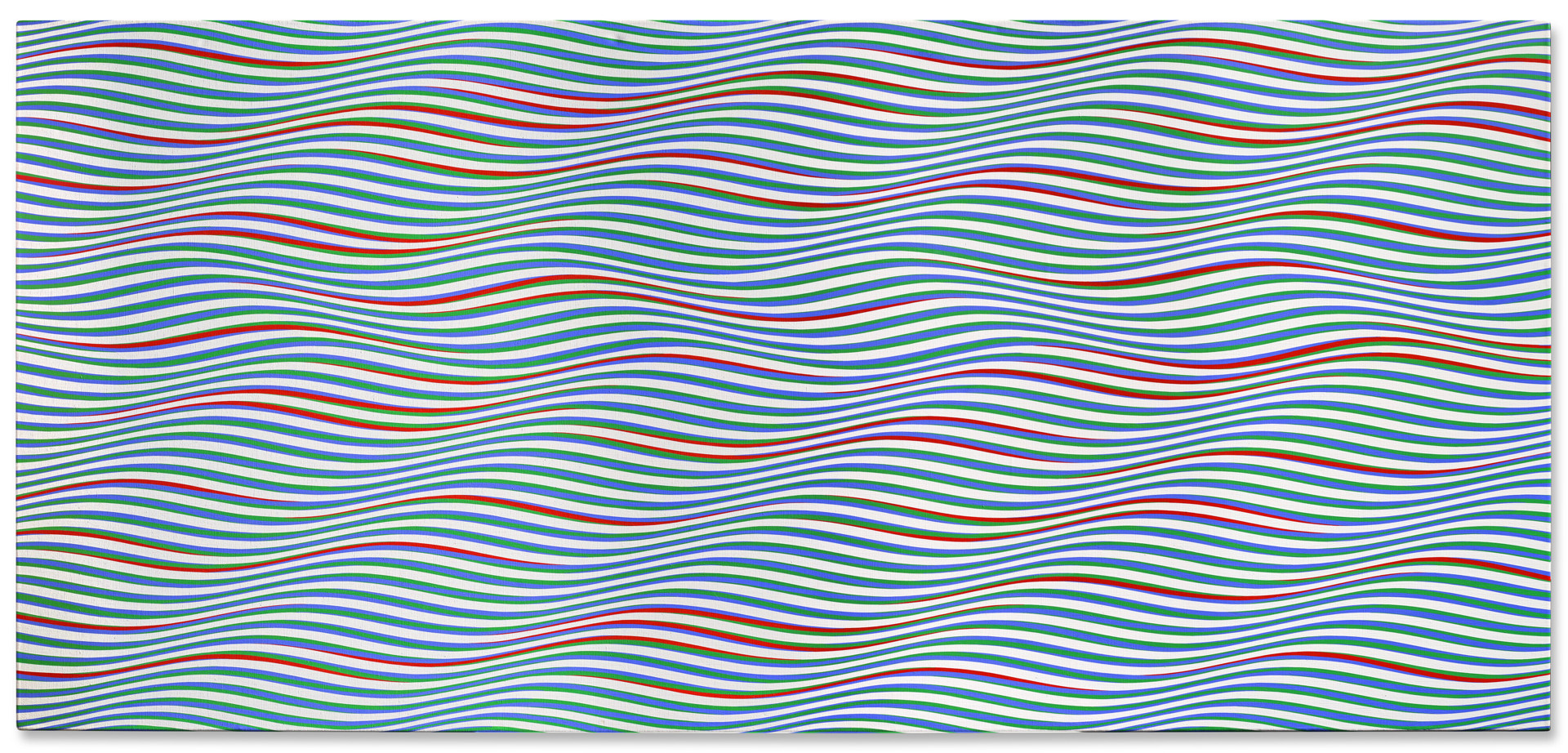
The Eye Behind Monsoon: What Peter Simon’s Collection Reveals About Buying Art on Instinct

Peter Simon’s collection is large enough to read as a survey of modern and contemporary art, but its more useful story for collectors is personal: how a commercial eye trained on textiles, colour and pattern became an art-collecting instinct — and why conviction still matters when markets move against you.
September 17, 2026
Articles
Articles
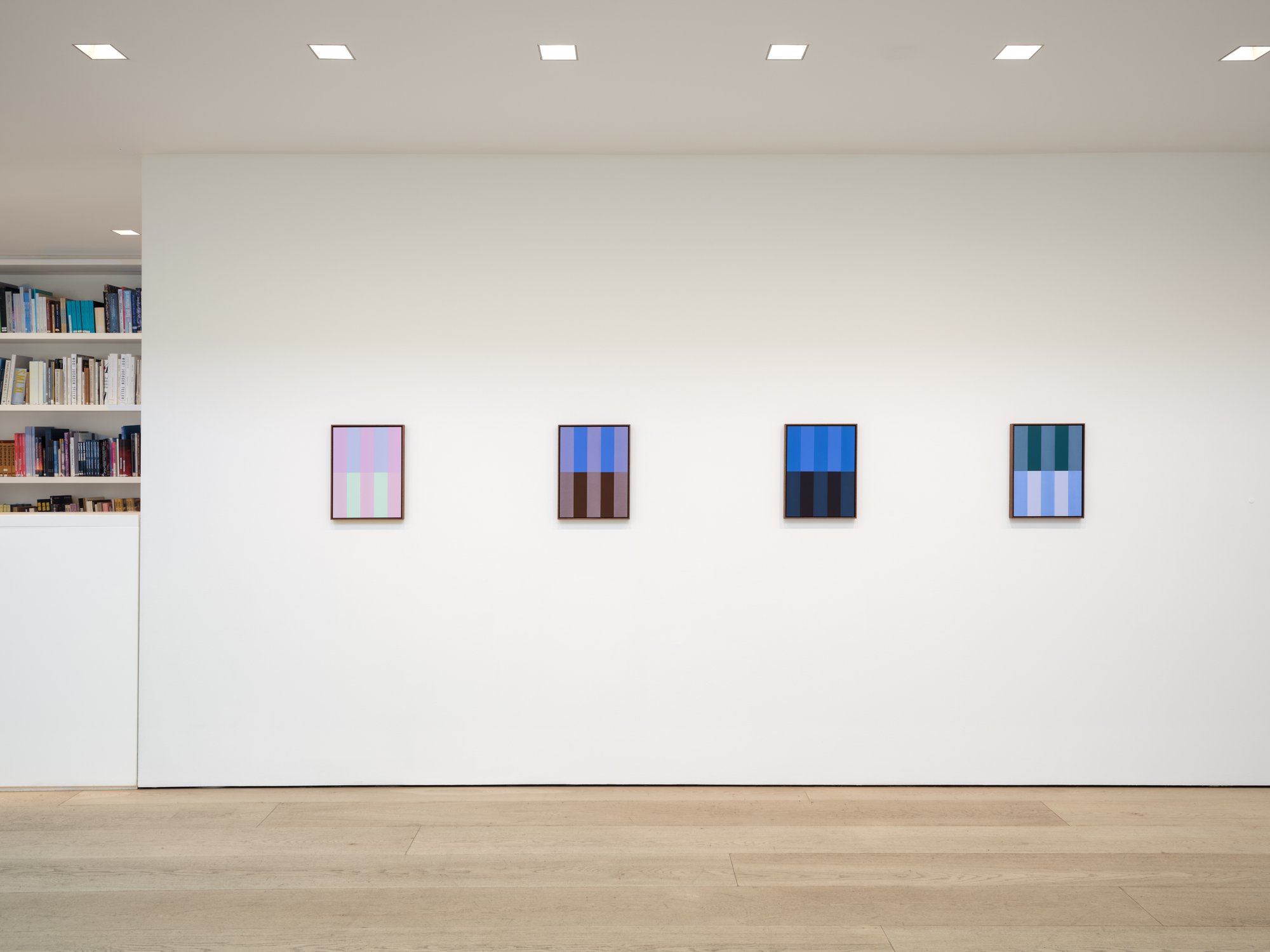
Rana Begum: The Art That Changes With the House

Rana Begum treats light as a material. Her first New York solo exhibition offers collectors a precise lesson in how architecture, daylight, colour and movement can keep changing an artwork after it enters the home.

September 17, 2026
Articles
Articles
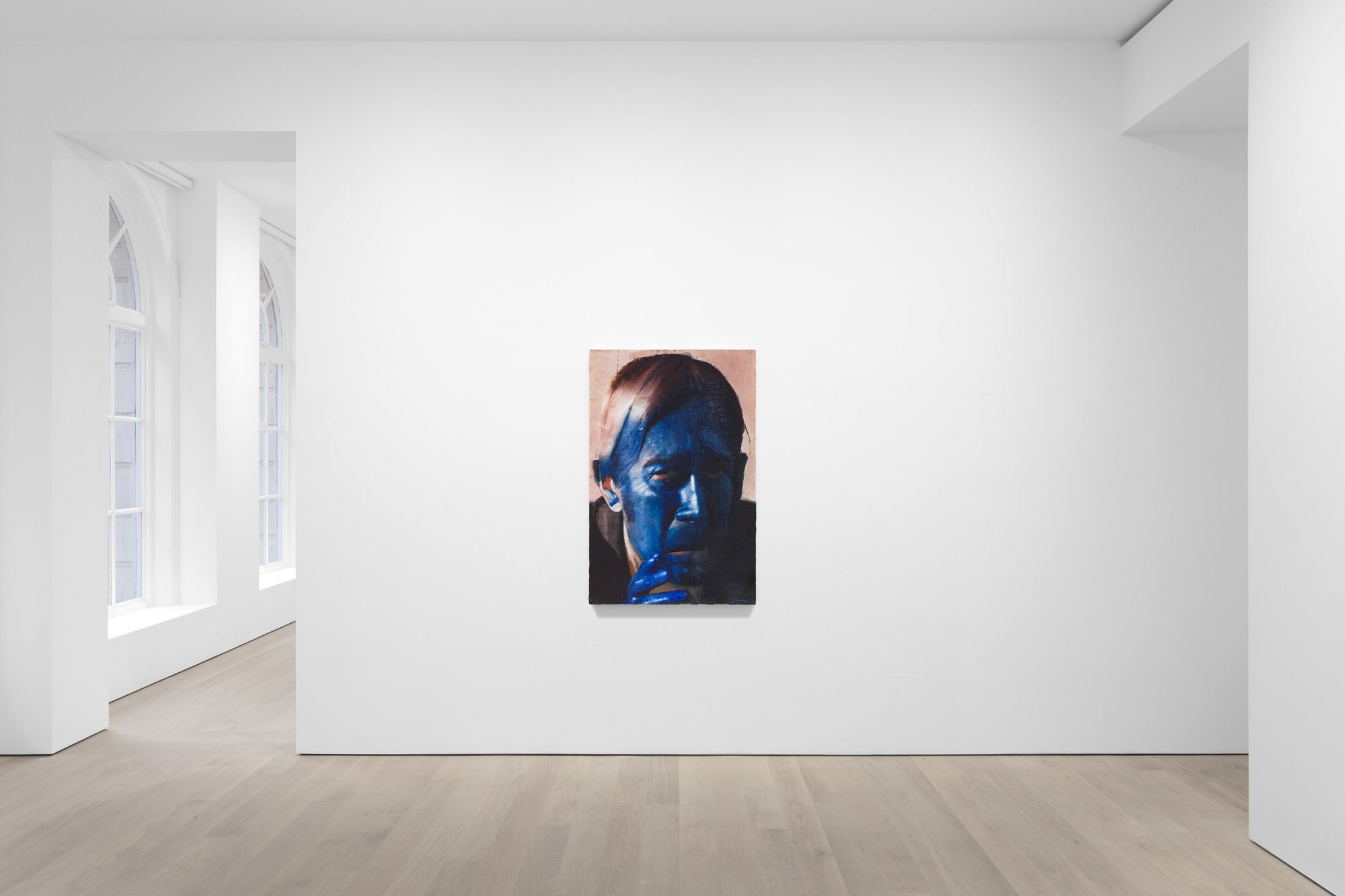
Joseph Yaeger and the Unreliable Image: Painting What Memory Gets Wrong

Joseph Yaeger’s Agita begins with images we think we recognise and a text we cannot fully trust. We examine how memory, found imagery, watercolour and material accident turn contemporary image culture into psychologically unstable painting.