
September 19, 2026
Exhibitions
Exhibitions
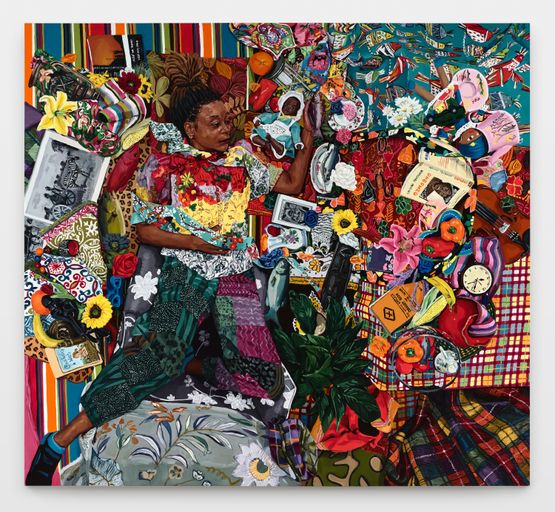
Wangari Mathenge’s first solo exhibition with Lévy Gorvy Dayan expands her Re-membering series into sculpture, turning books, objects and domestic space into a layered inquiry into Kenyan cultural memory.
Dimitris Daskalopoulos has added 51 works to one of the most consequential museum-gifting programmes of the contemporary era. The real story is not generosity alone, but a collector’s unusually coherent answer to the problem of legacy.
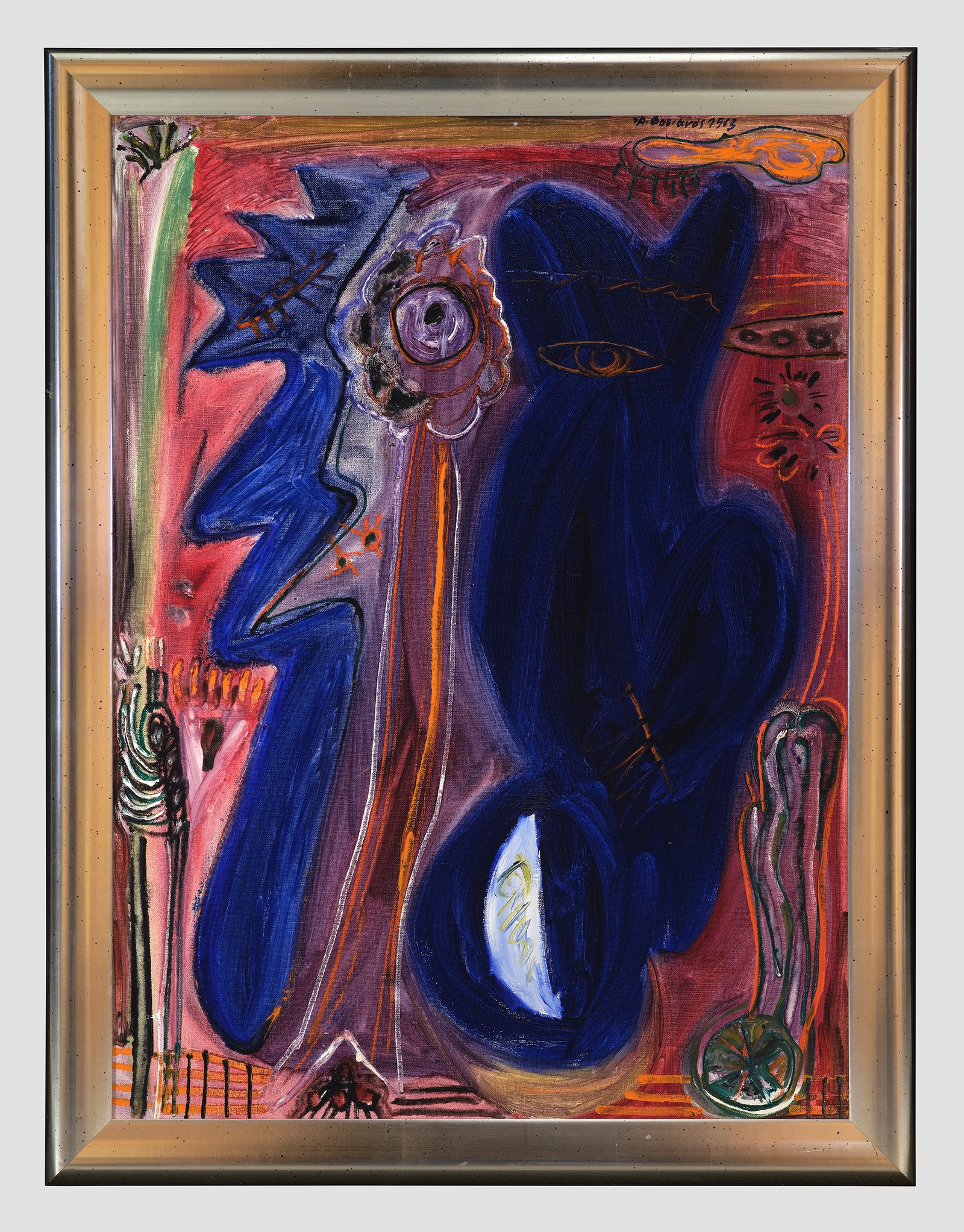
The most revealing act in a great collection may be its ending. Collectors spend decades learning how to acquire: how to recognise quality before consensus, how to build relationships with artists and galleries, how to resist the market’s noise. Far less is said about the final responsibility of ownership — what should happen when a private collection has become culturally important enough to outlive the collector’s own possession of it.
Dimitris Daskalopoulos has supplied one of the clearest answers in contemporary collecting. On 7 September 2026, the D.Daskalopoulos Collection announced a further gift of 51 works to four public institutions: 29 to the National Gallery of Greece in Athens, 16 to MOMUS–Museum of Contemporary Art in Thessaloniki, three to the Museum of Contemporary Art of Crete and three to National Galleries Scotland. The works include Greek modern and contemporary artists alongside international figures such as Bruce Nauman, Mike Kelley, Seth Price, Subodh Gupta, Jay Heikes and Nobuko Tsuchiya.
The gift would be significant on its own. In context, it becomes something larger. In 2022 Daskalopoulos announced the donation of more than 350 works from his collection to Tate, the National Museum of Contemporary Art Athens, the Guggenheim Museum in New York and the Museum of Contemporary Art Chicago. Six additional works went to Guggenheim Bilbao in 2025. Rather than allowing a major private collection to pass into an estate sale, be dispersed anonymously or remain frozen inside a foundation, Daskalopoulos has been turning private taste into public infrastructure.
The philosophy is unusually explicit. The D.Daskalopoulos Collection describes itself as a temporary caretaker of the physical manifestations of artistic ideas. Daskalopoulos has repeatedly argued that a work kept in storage is deprived of its social meaning and that ownership does not make the buyer the sole proprietor of the ideas contained in art.
This position may sound idealistic, but it has practical consequences. It changes how a collector thinks about loans, museum relationships, documentation and succession from the beginning. A collection built for eventual public circulation is managed differently from one built primarily as transferable wealth.
Daskalopoulos began collecting in the 1990s and developed a body of work centred on the human condition: vulnerability, bodily experience, social pressure, mortality and the persistence of creativity. Large-scale installation, sculpture, video and work that is technically difficult to conserve became important. Those are precisely the kinds of objects that can become problematic when a collection passes through an estate without institutional planning. By establishing relationships with museums long before the final gifts, he effectively built future homes into the life of the collection.
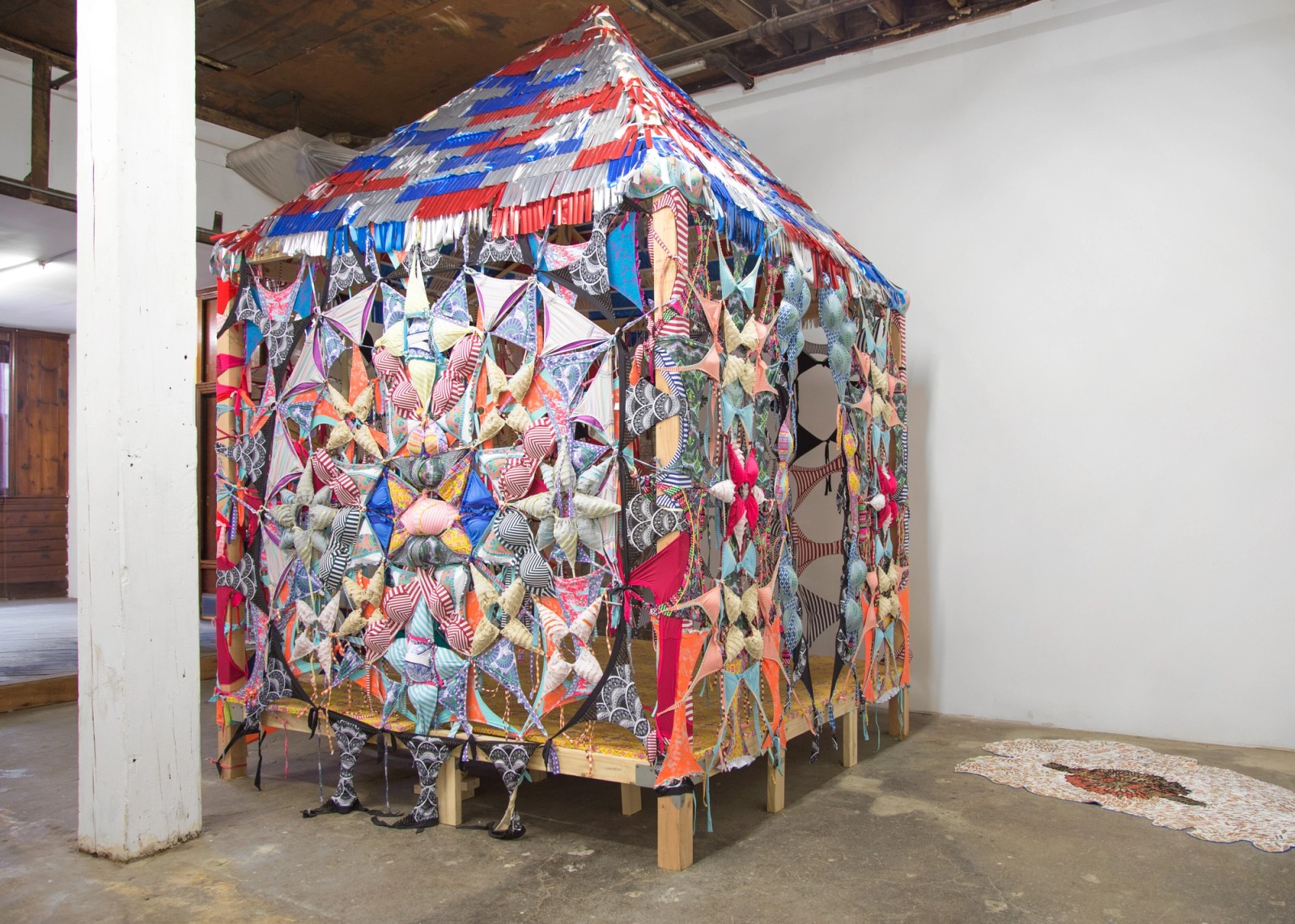
The latest donation is particularly interesting because it gives Greek artists greater visibility within the overall legacy. The National Gallery of Greece receives works by leading Greek modern and contemporary artists dating from the 1960s to the 1990s, while the Crete gift includes work by Ioanna Pantazopoulou and Nana Sachini. MOMUS receives a more international group. Scotland receives Nauman, Kelley and Margarita Myrogianni.
This is not simply a division by geography. It is a curatorial distribution. Different institutions receive groups capable of extending their existing collections and future exhibitions rather than a random sample of a private holding.
That distinction matters for collectors contemplating museum gifts. The prestige of the receiving institution is only one question. A stronger question is whether the work will become meaningful inside that institution: whether it fills a gap, deepens a narrative, creates research possibilities or can be shown in productive relationship with works already held there.
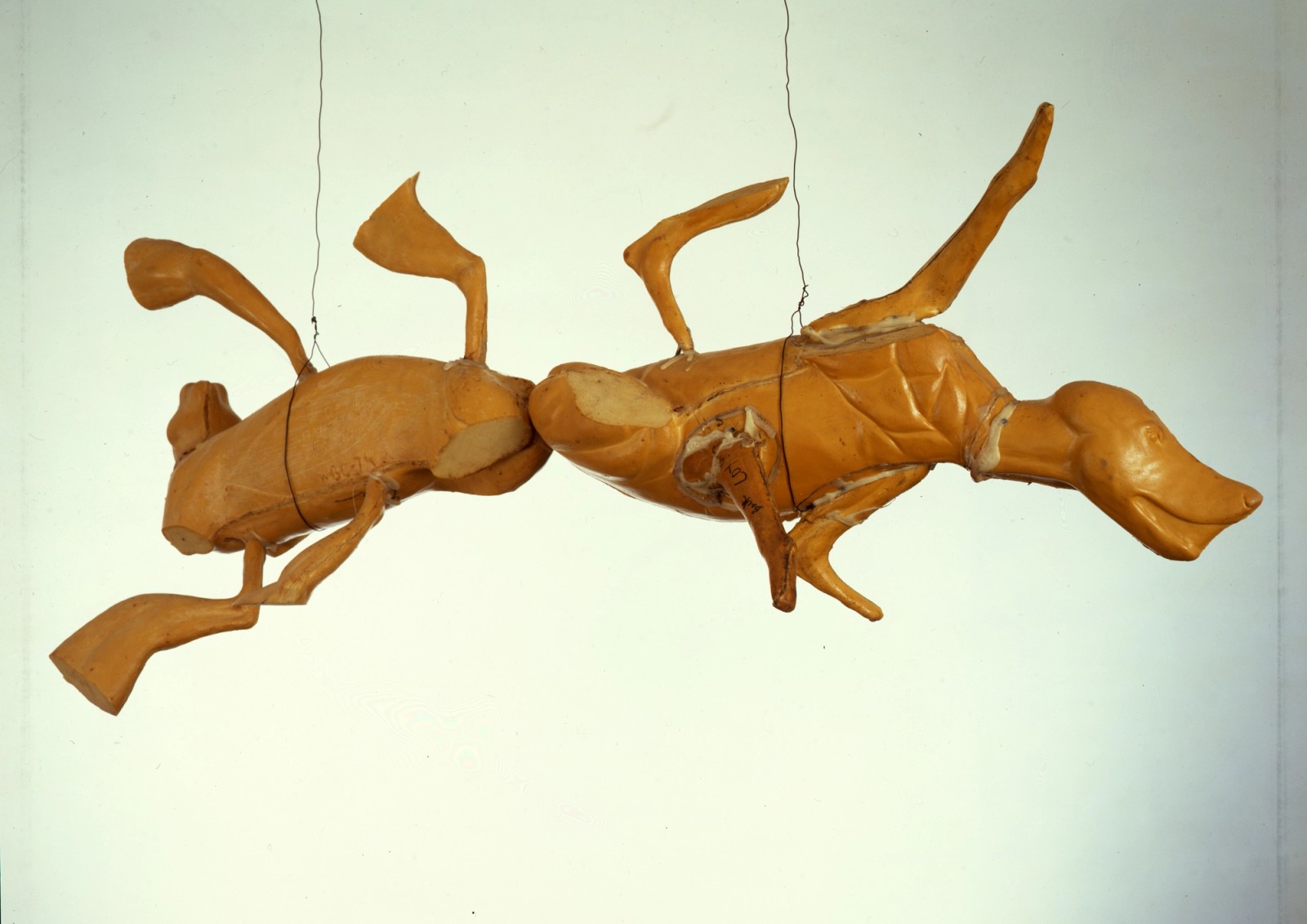
Large private collections commonly enter public consciousness at the moment of dispersal. An auction house unveils a catalogue, estimates convert decades of taste into a total value and the collector’s name becomes a provenance line attached to individual lots. That can be perfectly legitimate, particularly where heirs, taxes or changing priorities make sale necessary. But it produces a specific outcome: the collection ceases to exist as an intellectual structure.
Daskalopoulos has chosen the opposite route. The objects are dispersed geographically but preserved institutionally. Their relationships can be reassembled through scholarship, loans and exhibitions, while each museum is free to absorb the works into its own narrative.
The Art Newspaper reported that a project spokesperson said Daskalopoulos would claim no tax advantages in any jurisdiction in connection with the latest gift. That detail matters because it makes the act harder to dismiss as fiscal engineering. The logic is cultural first.
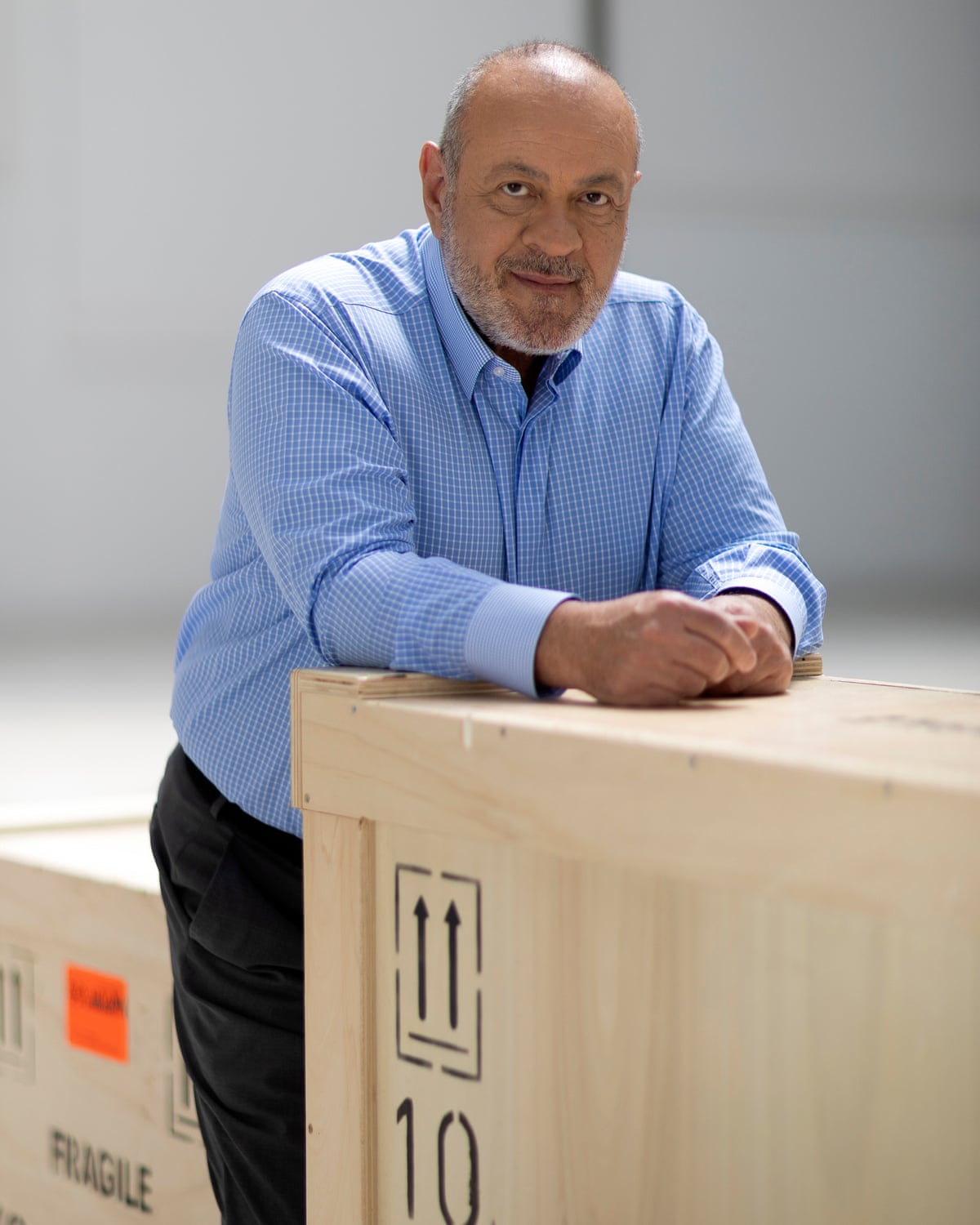
There is a second lesson here. Collectors often imagine legacy architecturally: build a museum, put the family name on it and keep the collection intact. That model can succeed brilliantly, but it also creates permanent operating costs, governance challenges and the danger that a once-dynamic collection becomes a mausoleum to the taste of one generation.
Daskalopoulos has largely resisted that instinct. His philanthropy has supported institutions, curatorial roles, exhibitions and public programmes, while the collection itself has been distributed among museums capable of caring for and reinterpreting it. The result is less visible as a single monument but potentially more influential.
For collectors, this is worth studying closely. A cultural legacy can be measured by how many useful relationships a collection creates after private ownership ends, not simply by whether the collector’s name remains physically attached to a building.
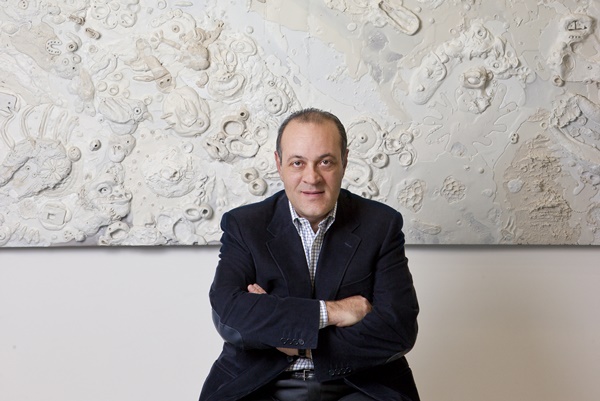
The 2026 gift also makes a strong statement about the international visibility of Greek art. Daskalopoulos’s collection was never narrowly national: its major holdings have placed Greek practice beside internationally recognised post-war and contemporary artists. Sending important Greek works into public institutions is therefore not an act of isolation but of contextualisation.
For an international audience, that is valuable. National art histories become more legible when works enter collections where they can be compared across borders. A Fassianos painting in a major public museum is not simply preserved; it enters future curatorial arguments.
The practical lesson is simple and unusually important. Serious collectors should consider legacy while they are still actively collecting. Keep acquisition histories and correspondence organised. Understand which works carry complex conservation needs. Lend strategically. Build genuine relationships with curators rather than approaching institutions only when disposal becomes urgent. Think about whether individual groups of works may be more useful to different museums than an intact collection would be to one.
And, above all, decide what the collection is for.
Daskalopoulos’s answer has been consistent: art needs an audience more than it needs a proprietor. The latest 51-work donation turns that conviction into another permanent fact. In a market that spends enormous energy discussing how collections are assembled, this may be the more consequential collector story — how a collection can be dismantled without losing its meaning.
Wangari Mathenge’s first solo exhibition with Lévy Gorvy Dayan expands her Re-membering series into sculpture, turning books, objects and domestic space into a layered inquiry into Kenyan cultural memory.
Dimitris Daskalopoulos has added 51 works to one of the most consequential museum-gifting programmes of the contemporary era. The real story is not generosity alone, but a collector’s unusually coherent answer to the problem of legacy.
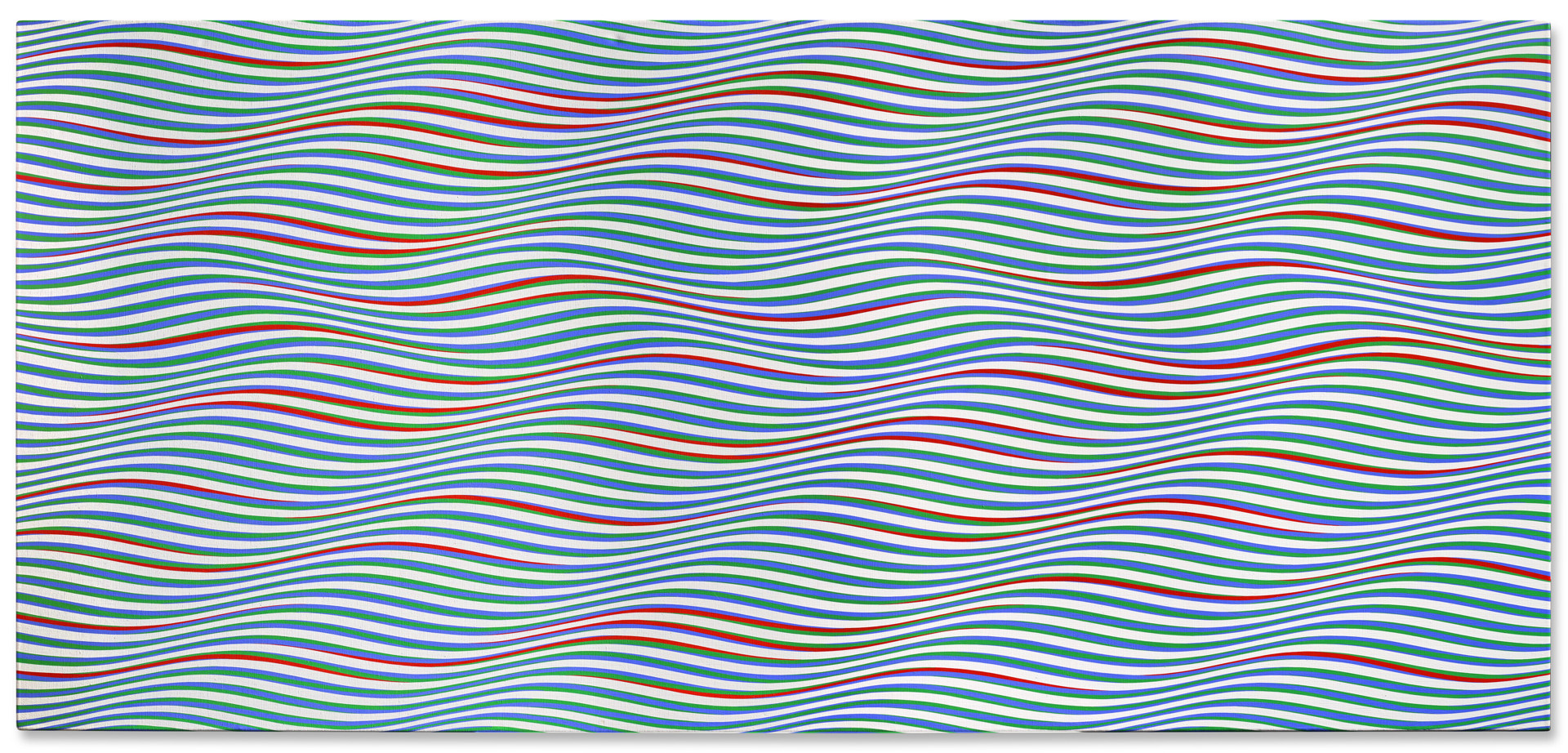
Peter Simon’s collection is large enough to read as a survey of modern and contemporary art, but its more useful story for collectors is personal: how a commercial eye trained on textiles, colour and pattern became an art-collecting instinct — and why conviction still matters when markets move against you.