
August 19, 2026
Articles
Articles
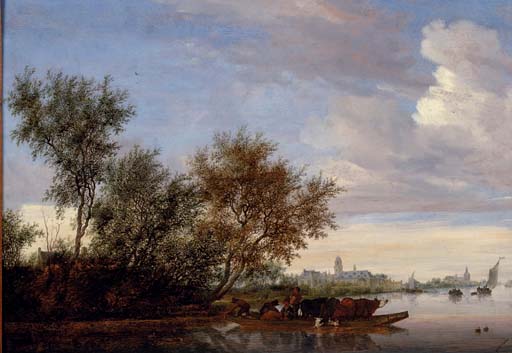
A Nazi-looted painting from Jacques Goudstikker’s collection reportedly survived for years in an Amsterdam cellar after being found in street rubbish. Its return is a lesson in why provenance never expires.
The theft of four Antonello da Messina works from MuMe exposes a paradox at the heart of art crime: the more famous a masterpiece becomes, the harder it is to turn into money.
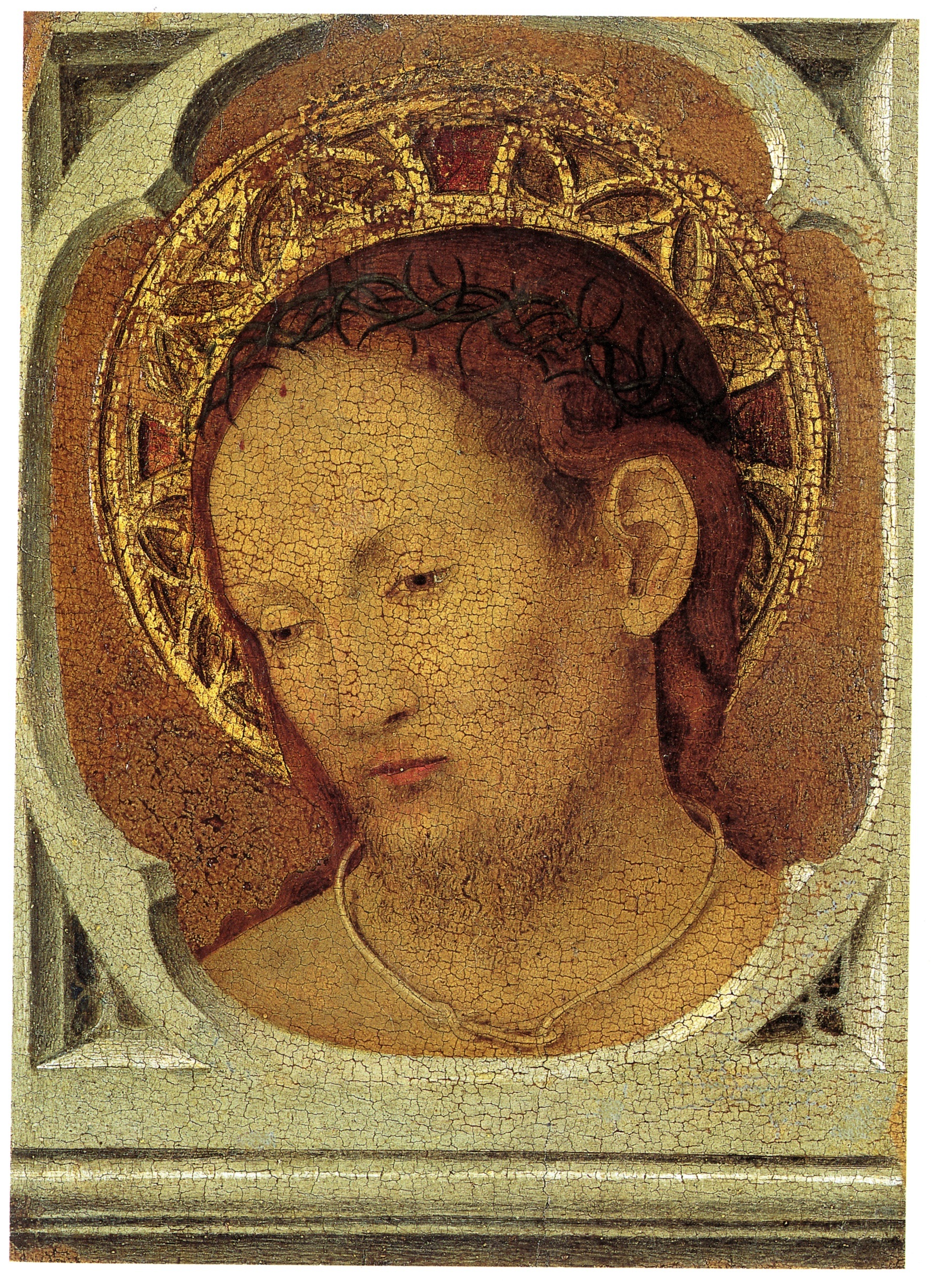
On the evening of 15 August, while Messina was absorbed in one of the most public rituals of its calendar, somebody removed part of the city’s memory from a museum wall. Thieves entered the Regional Museum of Messina during Ferragosto and the La Vara celebrations and took all five surviving panels of Antonello da Messina’s San Gregorio Polyptych, together with a small double-sided devotional panel. Two polyptych panels were abandoned during the escape. As of 19 August, three panels from the altarpiece and the double-sided work remained missing.
The event is dramatic enough as a museum heist. But for collectors, it exposes a more interesting paradox: the greater the fame of a masterpiece, the less straightforward its monetary value becomes once it is stolen. A painting can be valued in the tens of millions and yet become almost impossible to sell. In legitimate commerce, reputation creates liquidity. In the illicit market, extreme recognition can destroy it.
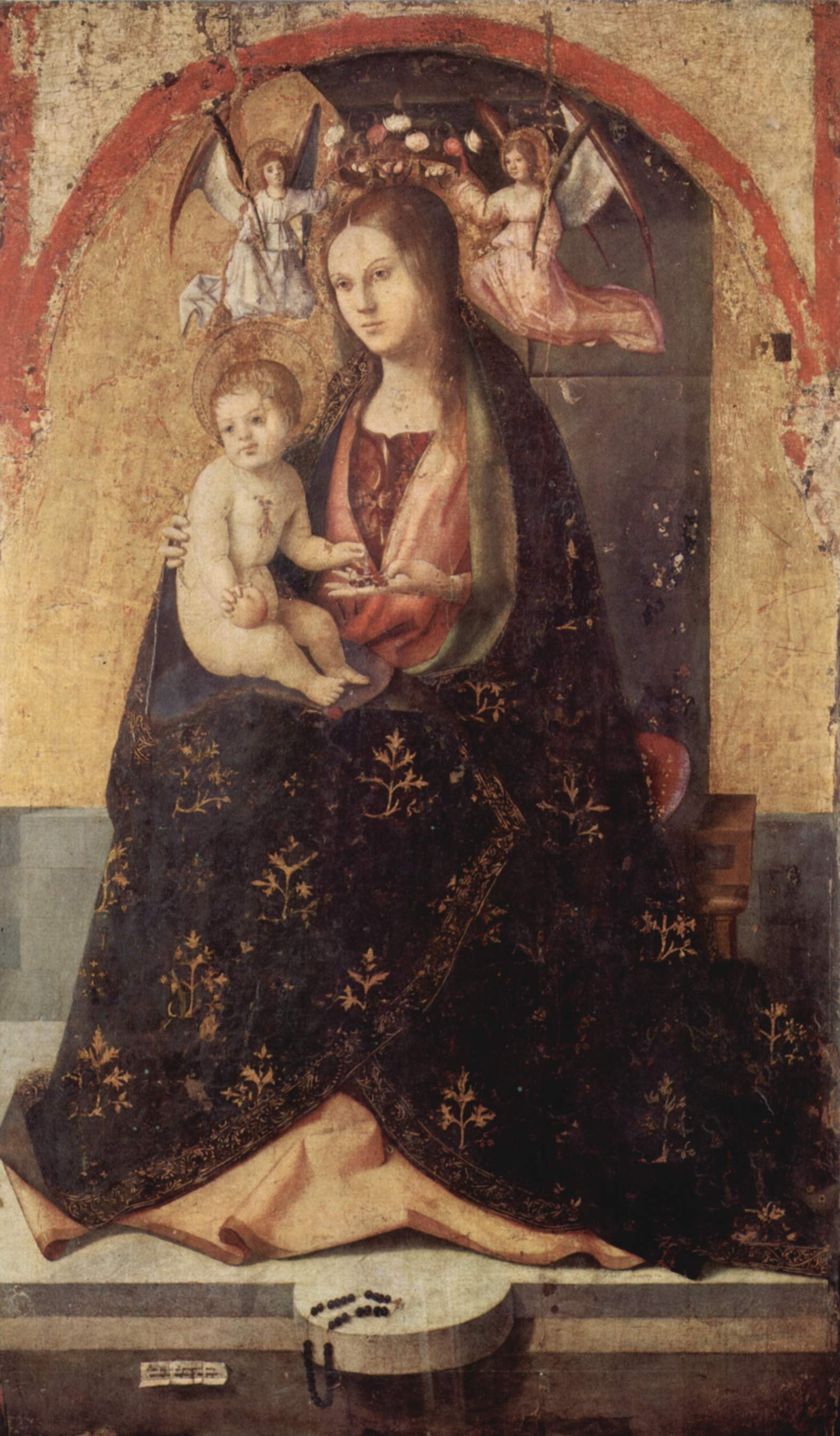
Antonello’s importance is not merely a matter of rarity. Born in Messina around 1430, he stands at one of the great crossings of European painting: the precision and luminous surfaces associated with northern European oil technique meet the spatial intelligence and psychological directness of the Italian Renaissance. His portraits can feel unnervingly contemporary because they seem less like types than encounters.
The San Gregorio Polyptych, completed in 1473 for the Monastero di San Gregorio, has an additional weight in Messina. The monastery was destroyed in the catastrophic earthquake of 1908; the surviving panels became, in effect, survivors of a survivor. Reporting on the theft has emphasised that the altarpiece was the only work by Antonello that had never left his home city. That detail turns the crime from a loss of objects into something closer to an interruption of civic continuity.
There is a temptation in the art market to discuss masterpieces in a language of comparables: auction records, insurance values, scarcity and replacement cost. Here that language is inadequate. A work that has remained bound to a city for more than five centuries carries a form of value that cannot be recreated through purchasing power. If recovered, it can return. If lost, there is no substitute.
The smaller object taken from an armoured display case is a double-sided devotional panel showing the Virgin and Child with a Franciscan friar on one side and Christ on the reverse. It had belonged to the Wilhelm Soldan collection and was acquired by the Sicilian regional government through Christie’s in 2003, the year it was attributed to Antonello.


Its inclusion suggests selectivity. This was not simply an opportunistic sweep of decorative objects. The thieves targeted works whose authorship, scholarly history and museum identity make them unusually conspicuous. That is precisely why speculation around a commissioned theft has attracted attention. Investigators have reportedly considered whether the works were destined for the illicit art market or taken on behalf of an intermediary. No motive has yet been established, and it is important not to turn an active investigation into mythology. But the question itself is revealing.
The romantic image of the secret collector commissioning the theft of a masterpiece for a private room is irresistible because it gives cultural crime a villain with taste. Reality is often less cinematic. Highly recognisable stolen art can function as collateral inside criminal networks, as leverage in negotiations, as a store of illicit value between parties who do not need public title, or simply as an asset that thieves initially overestimate.
This is where collectors should distinguish price from liquidity. A trophy work in a clean transaction can command a vast price because provenance, title, authenticity and institutional recognition are aligned. Remove lawful title and the same qualities that created the price begin working against the thief. Every catalogue entry becomes a warning label; every publication becomes an identification record; every museum photograph increases the chance of detection. Fame becomes an anti-liquidity mechanism.
The AP cited an expert estimate of roughly €70–80 million for the stolen works. That figure communicates the scale of the cultural property involved, but it should not be mistaken for the amount a thief can realise. A stolen masterpiece has no normal market-clearing price. Its legitimate market has effectively vanished.
For private collectors, the case is a reminder that provenance is not an administrative appendix. It is part of the object. The most important due-diligence question is not simply, “Is this authentic?” but “Why is this object legally here, and can every meaningful transfer in its recent history withstand scrutiny?”
Old Masters with gaps in ownership history, unexplained periods in storage, sudden appearances from opaque private collections, or documentation that begins suspiciously late deserve more—not less—attention. The same applies to works offered at prices or through channels that seem inconsistent with their importance. A collector should be able to understand the chain of title, the export history where relevant, the seller’s authority to sell, and whether the work appears in loss, theft or cultural-property records. The objective is not merely risk reduction. It is to avoid becoming the person who gives a stolen object its next hiding place.
The responsibility also extends to advisers, dealers and auction houses. The legitimate art market depends on confidence that ownership can be transferred, not merely possession. Every weak provenance check externalises risk onto future buyers, insurers, lenders and institutions.
The Messina theft will inevitably provoke questions about alarms, cases, guards and staffing. AP reported that alarms were functioning and guards were present. That makes the incident more unsettling, not less: museum security is not a single device but a chain of architecture, procedures, response time, surveillance, staff, intelligence and contingency planning.
Yet there is a deeper issue. Museums are asked to do two contradictory things: make works accessible and make them inaccessible. The public must be able to stand close enough to experience the physical presence of a painting; the institution must simultaneously make its removal nearly impossible. Every improvement in security risks turning a gallery into a vault. Every increase in openness creates vulnerability. The answer is not to retreat from access, but to recognise security expenditure as part of conservation rather than as back-office overhead.
Four missing objects may ultimately be recovered, but something else has already been taken: the assumption that these paintings were safely embedded in the place that had carried them through earthquakes, war, institutional change and five centuries of history. That assumption is now broken.
For the market, the case demonstrates the strange endpoint of trophy value. There is a level at which an artwork becomes so famous that its commercial identity is inseparable from public knowledge. In a lawful sale, that is part of what makes it precious. In a theft, it becomes a trap.
Perhaps that is the most useful distinction for collectors. Ownership and possession are not the same thing. The market can transfer possession in seconds. History, title and legitimacy move much more slowly. Great collecting begins when those differences are treated as central rather than inconvenient.
Reporting status: 19 August 2026. The investigation is active; details may change as works are recovered or suspects identified.
A Nazi-looted painting from Jacques Goudstikker’s collection reportedly survived for years in an Amsterdam cellar after being found in street rubbish. Its return is a lesson in why provenance never expires.

A reported $450 million Blaquier consignment at Sotheby’s is more than a trophy sale: it is a test of how privacy, provenance, guarantees and collection identity create value.
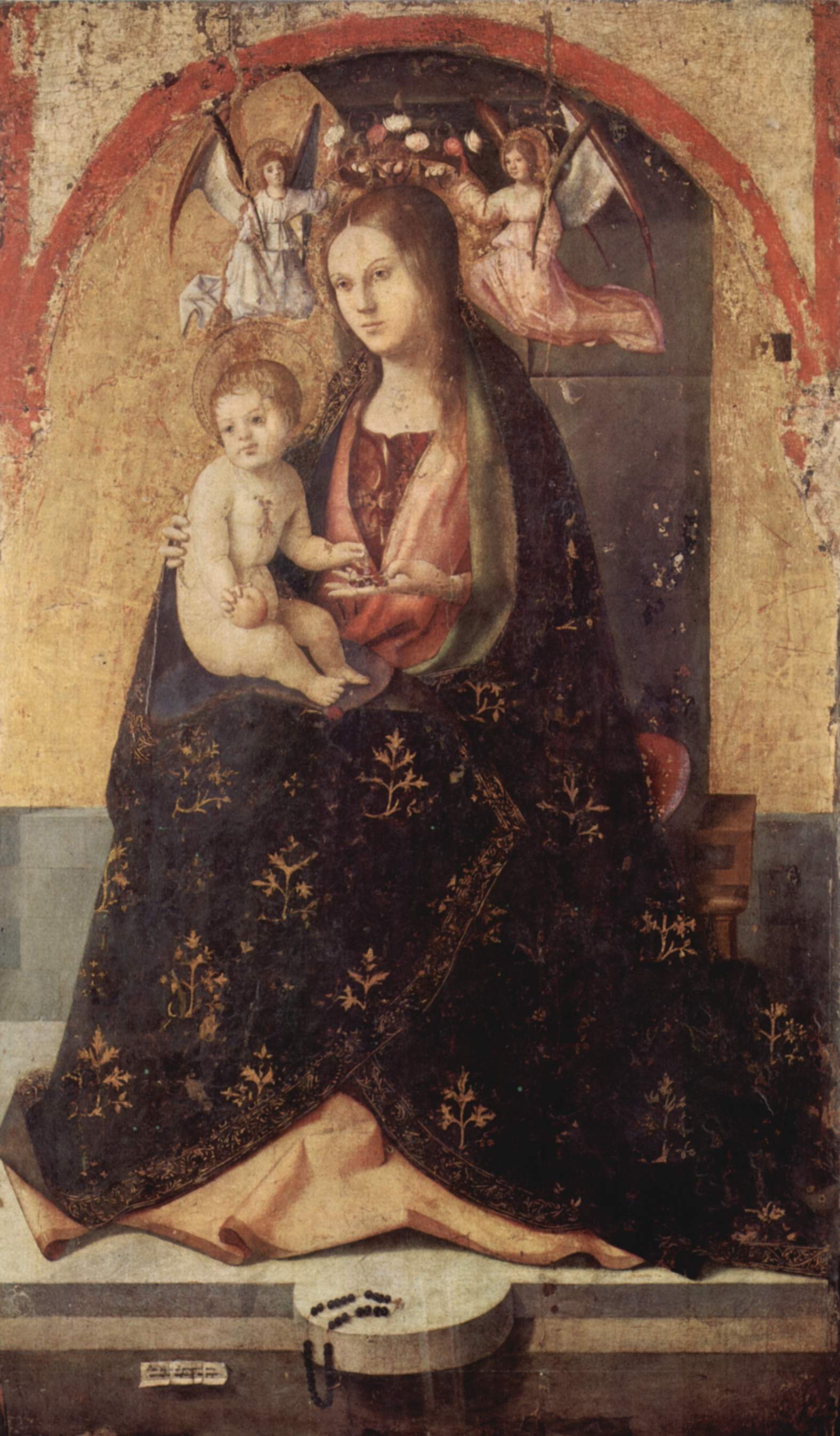
The theft of four Antonello da Messina works from MuMe exposes a paradox at the heart of art crime: the more famous a masterpiece becomes, the harder it is to turn into money.