
November 2, 2026
Exhibitions
Exhibitions
From Yoshitomo Nara and Doris Salcedo to Arturo Kameya and a crucial Robert Colescott chapter, New York’s November calendar rewards a route beyond the obvious fair-week headlines.
From Pierre Soulages and Leon Kossoff to OMARA and Aidan Duffy, November rewards collectors who look beyond fair-week consensus and across London’s gallery tiers.
November is when London’s art calendar becomes useful again. Frieze has gone, the temporary architecture has disappeared from Regent’s Park, and the city’s galleries can be judged on the quality of exhibitions rather than the velocity of fair week. For collectors, that shift matters. A booth can establish attraction in minutes; an exhibition reveals whether the work can sustain a room, a sequence and a slower kind of attention.
ARTCOLLECTORNEWS has selected six London shows for November 2026 that deliberately resist a single market tier. Pierre Soulages and Leon Kossoff bring museum-level historical weight. Hyun-Sook Song receives a long-overdue first UK exhibition. Louise Giovanelli arrives with an already accelerated institutional and market profile. Aidan Duffy and OMARA show why smaller galleries remain essential to London’s ecology: they can give space to practices that do not need the reassurance of consensus.
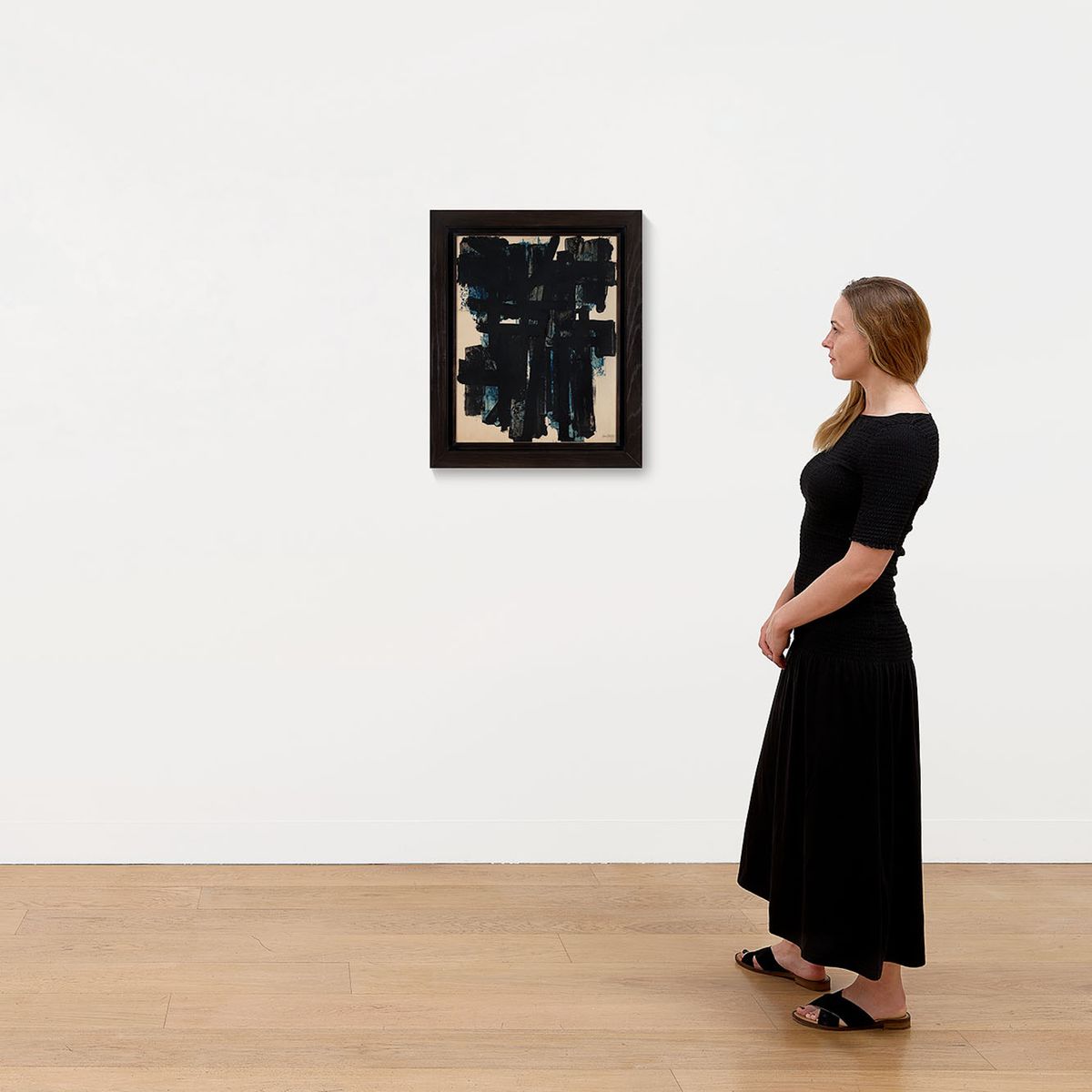
The strongest historical painting show opening in London this month is also one of the quietest. Timothy Taylor brings together nine late paintings by Pierre Soulages, made between 2003 and 2021. By then Soulages had spent decades refining the idea he named Outrenoir — “beyond black” — in which black is less a colour than an instrument for structuring reflected light.
The late works are particularly useful for collectors because their apparent simplicity is deceptive. Surface, groove, gloss and orientation can change a painting dramatically from one angle to another. Reproduction flattens exactly what Soulages wanted to activate. Anyone looking seriously at the work should spend time moving in front of the paintings, comparing how deeply worked acrylic catches the room’s light and how a seemingly monochrome field changes between silver, blue-black and near-matte opacity.
Soulages’s market is mature, but the exhibition is a reminder that not all Outrenoir works are interchangeable. Date, scale, support, the geometry of the tool marks and the relationship between glossy and matte passages all matter. The best paintings feel less like black pictures than controlled environments for light.
Pierre Soulages: Outrenoir
Timothy Taylor, 15 Bolton Street
5 November–12 December 2026
Hyun-Sook Song’s first UK exhibition is the kind of overdue institutional correction that a gallery can make especially visible. Born in Korea and based in Germany since the 1970s, Song developed a language built around egg tempera, counted brushstrokes and an unusual reconciliation of East Asian calligraphic discipline with Western painting supports.
Her marks often look impossibly economical: a handful of verticals, a suspended curve, a crossing structure that can suggest cloth, architecture, a body or nothing identifiable at all. The restraint is technical rather than minimal for its own sake. Egg tempera dries quickly; a stroke cannot be endlessly corrected. Song’s paintings therefore preserve the physical intelligence of a single movement.
For collectors who have watched the global market broaden its account of post-war abstraction, Song is particularly worth studying now. The work belongs neither to a simplistic “Korean monochrome” category nor to European gestural abstraction. Its value lies in the tension between those histories.
Hyun-Sook Song: Solo exhibition
Sprüth Magers, London
6 November 2026–23 January 2027
Soft Opening is exactly the scale of gallery that a November guide should make room for. Aidan Duffy’s My Darling Stadium turns accumulation, found matter and the emotional charge of discarded objects into a practice that can be comic without becoming lightweight. Duffy’s works often feel discovered rather than fabricated: structures, fragments and props in which an object’s previous life remains perceptible.

The title suggests spectatorship and collective attachment, but Duffy does not give us the architectural confidence of a stadium. Instead, material seems to hover between construction and collapse. That uncertainty is the point. At a moment when much emerging-market work is designed to read instantly in a JPEG, Duffy rewards physical encounter: scale, balance, residue and awkward joins do more work than a clean image can communicate.
Collectors should look closely at fabrication and material longevity. Found-object sculpture can be robust, but its conceptual integrity depends on knowing what may be replaced, repaired or conserved. Good documentation is part of the work.
Aidan Duffy: My Darling Stadium
Soft Opening, 6 Minerva Street
30 October–19 December 2026
Mara Oláh, known as OMARA, began painting in her forties and built a fiercely autobiographical practice around Roma identity, family, discrimination, glamour, anger and self-invention. Seventeen’s first UK solo exhibition of the Hungarian artist, who died in 2020, is therefore not simply a rediscovery story. It is a chance to see a practice that refused the separation between image, testimony and assertion.

Her paintings can include handwritten language, declarative self-portraits and scenes drawn from lived experience. Their directness should not be mistaken for naïveté. Oláh understood representation as power: who gets pictured, who controls the terms and how a life excluded from official culture can author its own archive.
For collectors, the exhibition also raises the right questions about estates and posthumous markets. The strength of a rediscovered artist is not scarcity alone. It is whether scholarship, institutional attention and careful stewardship are developing alongside demand.
OMARA: Do it after me.
Seventeen, London
13 November–19 December 2026
Leon Kossoff’s London is one of pressure: paint piled until architecture looks unstable, railway lines pulled through mud-coloured surfaces, stations made dense by repetition. Annely Juda’s focused exhibition brings together works spanning 1952 to 2006 around trains and stations — an excellent way to see how a single urban motif could sustain decades of looking.
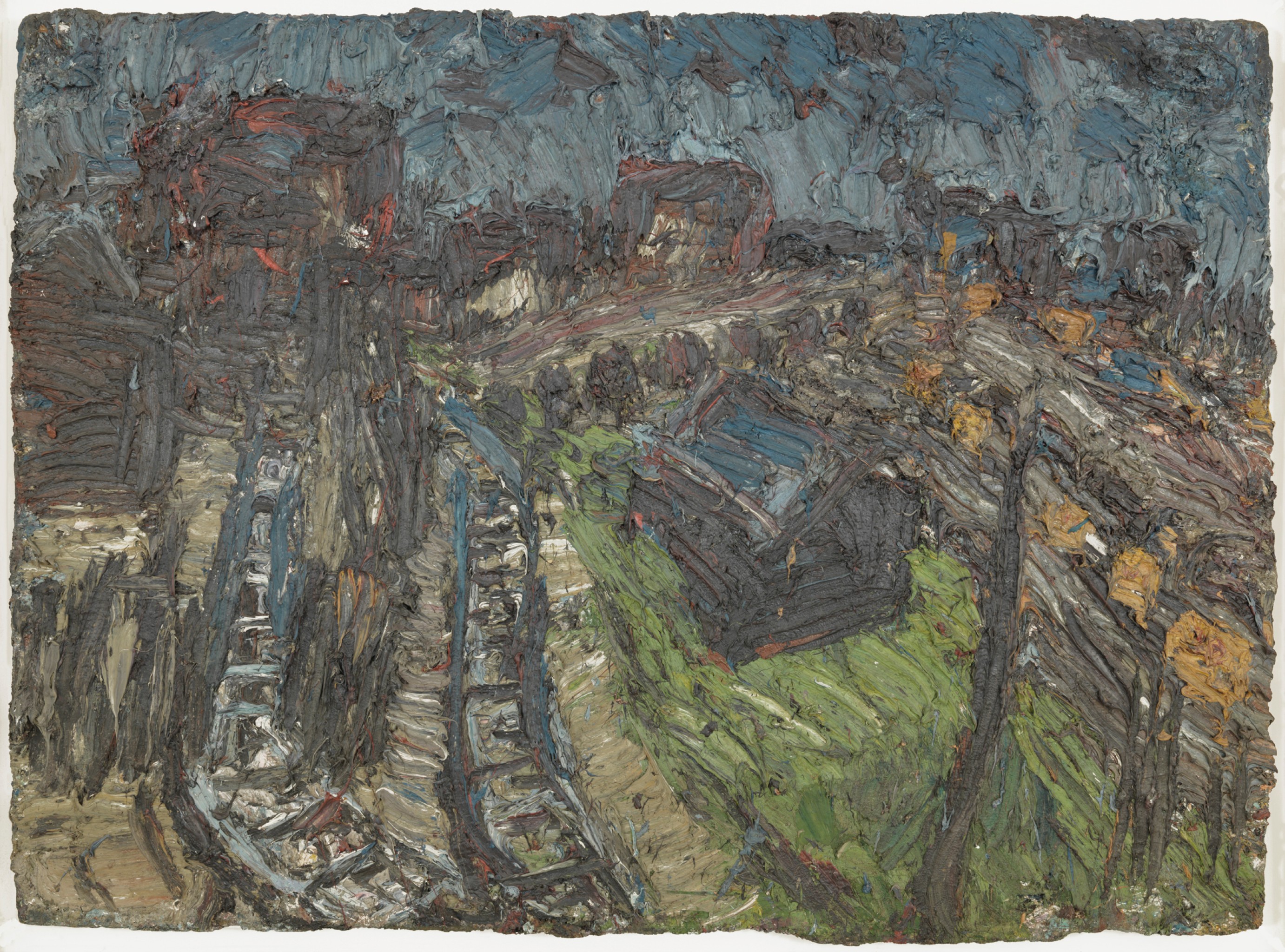
Kossoff’s market has always been closely tied to the quality and subject of individual works. The transport paintings are especially significant because they connect his physical handling of paint to the movement and compression of the city. They are not picturesque London views; they feel excavated from the city’s material weight.
Condition deserves unusual attention. Thick impasto can be vulnerable, and early works on board or paper may carry histories of conservation. Collectors should ask for detailed condition reports rather than assume the apparent roughness of the surface makes condition irrelevant.
Leon Kossoff: Trains and Stations
Annely Juda Fine Art, London
19 November 2026–30 January 2027
Louise Giovanelli has become one of the most closely watched British painters of her generation, but the important question now is not whether the market has noticed. It is whether the work continues to expand beyond the seductive surfaces that first drew attention.
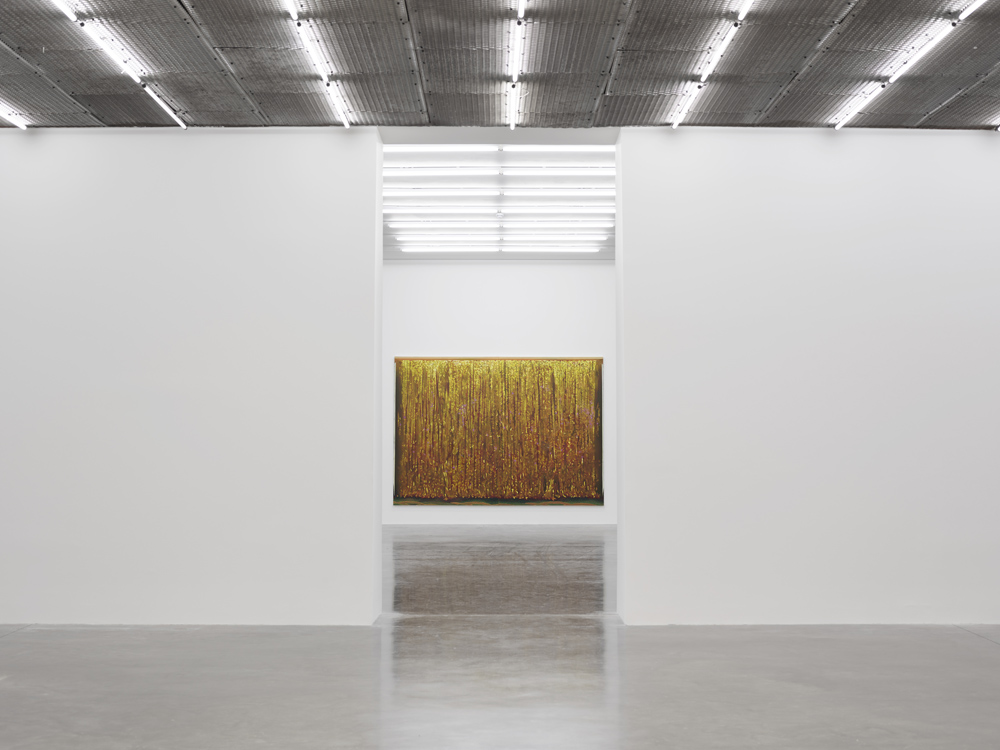
In the Light of False Suns is well timed. Giovanelli’s paintings often begin with mediated images — film stills, performance, religious or theatrical imagery — and rebuild them through thin layers of oil. Curtains, staged light and cropped faces create an atmosphere in which something always seems about to be revealed. The method connects old-master technique to the contemporary image economy without simply quoting either.
For collectors following fast-rising painters, the full exhibition matters more than the strongest single canvas. Look for whether motifs mutate across the room, whether smaller works carry the same conviction as large ones and whether repetition is generating meaning rather than merely recognisability.
Louise Giovanelli: In the Light of False Suns
White Cube Mason’s Yard
20 November 2026–16 January 2027
November is a useful month for testing whether the enthusiasm generated during Frieze has substance behind it. Soulages and Kossoff arrive with mature institutional and secondary-market histories; the relevant question is not whether the names are established, but whether the works on view clarify period, quality and scarcity. With Soulages in particular, collectors should distinguish between the broad market for Outrenoir and the much narrower group of late paintings in which surface, scale and light produce exceptional presence. For Kossoff, subject and date matter, but so do paper history, condition and the relationship between drawing and painting.
Song, Giovanelli, Duffy and OMARA occupy very different market positions. That is precisely why they belong in the same route. Song’s international recognition has accelerated through major gallery and institutional exposure, while Giovanelli is being watched closely by a market already comfortable with her visual language. Duffy and OMARA ask for a different kind of attention: less price comparison, more evidence of whether a gallery is building a practice patiently. November therefore offers a cleaner measure than fair week. Look at how much work is available, how coherent the exhibition is, whether the artist can sustain variation across a room and whether institutional interest is developing independently of sales velocity.
Begin with Soulages and Song to reset the eye around what a mark can do. Then use Duffy and OMARA to move away from market certainty. Kossoff offers the strongest historical encounter with London itself, while Giovanelli is the month’s clearest test of a younger painter under rapidly growing attention. This is a better London than fair week: fewer booths, more evidence.
From Yoshitomo Nara and Doris Salcedo to Arturo Kameya and a crucial Robert Colescott chapter, New York’s November calendar rewards a route beyond the obvious fair-week headlines.
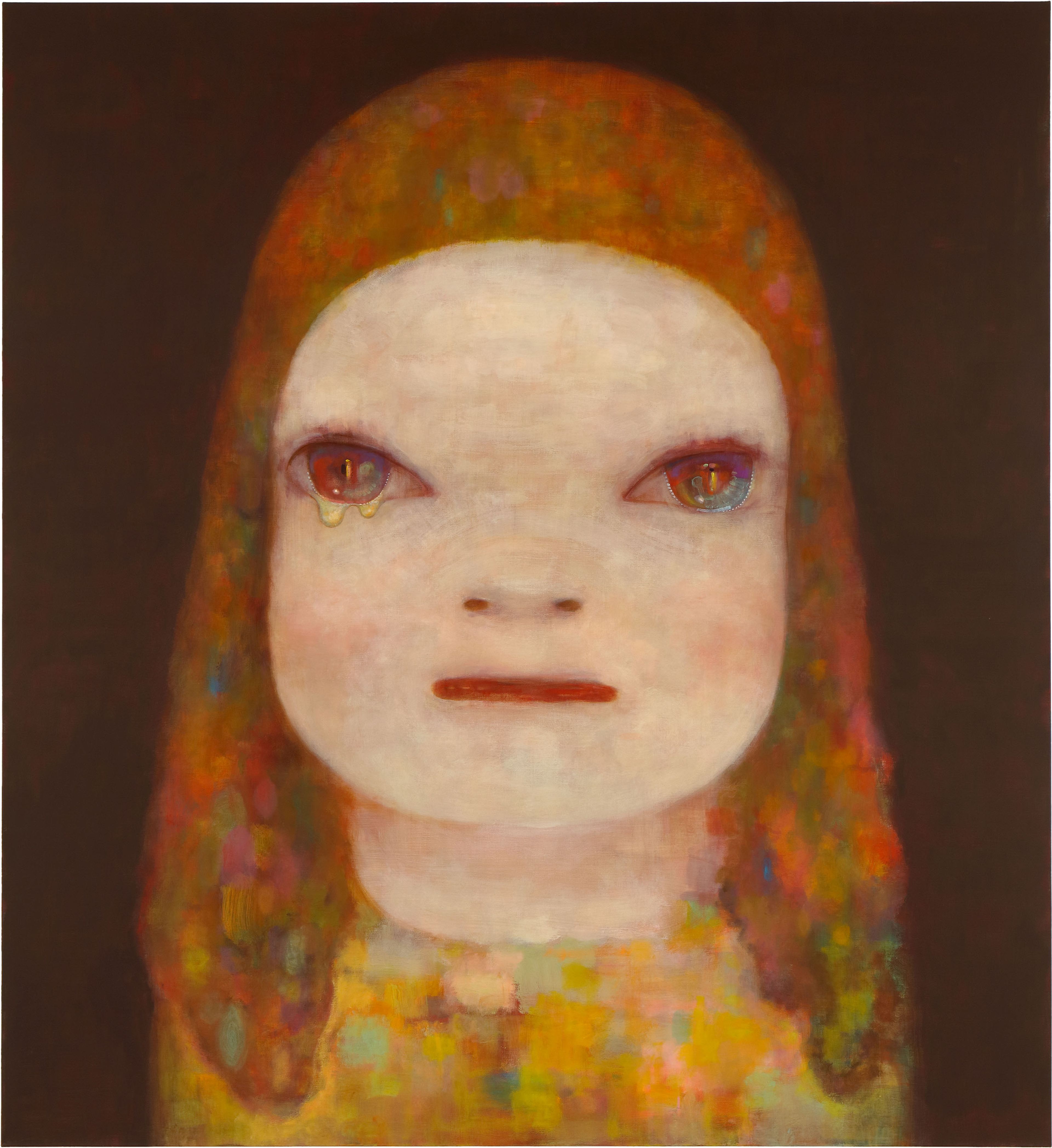
A David Zwirner debut, three monumental Hirshhorn sculptures and a Sotheby’s evening lot put Yoshitomo Nara’s gallery, institutional and market narratives in the same frame.
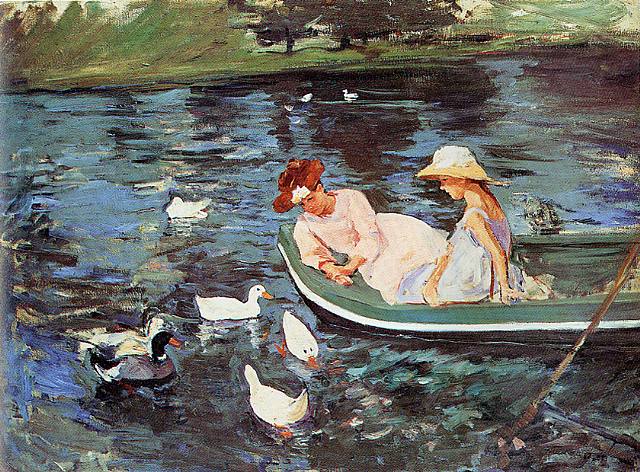
A $60–80 million Kandinsky, a reported $180 million Van Gogh and a formidable contemporary line-up put provenance, bidding depth and rarity under scrutiny this November.