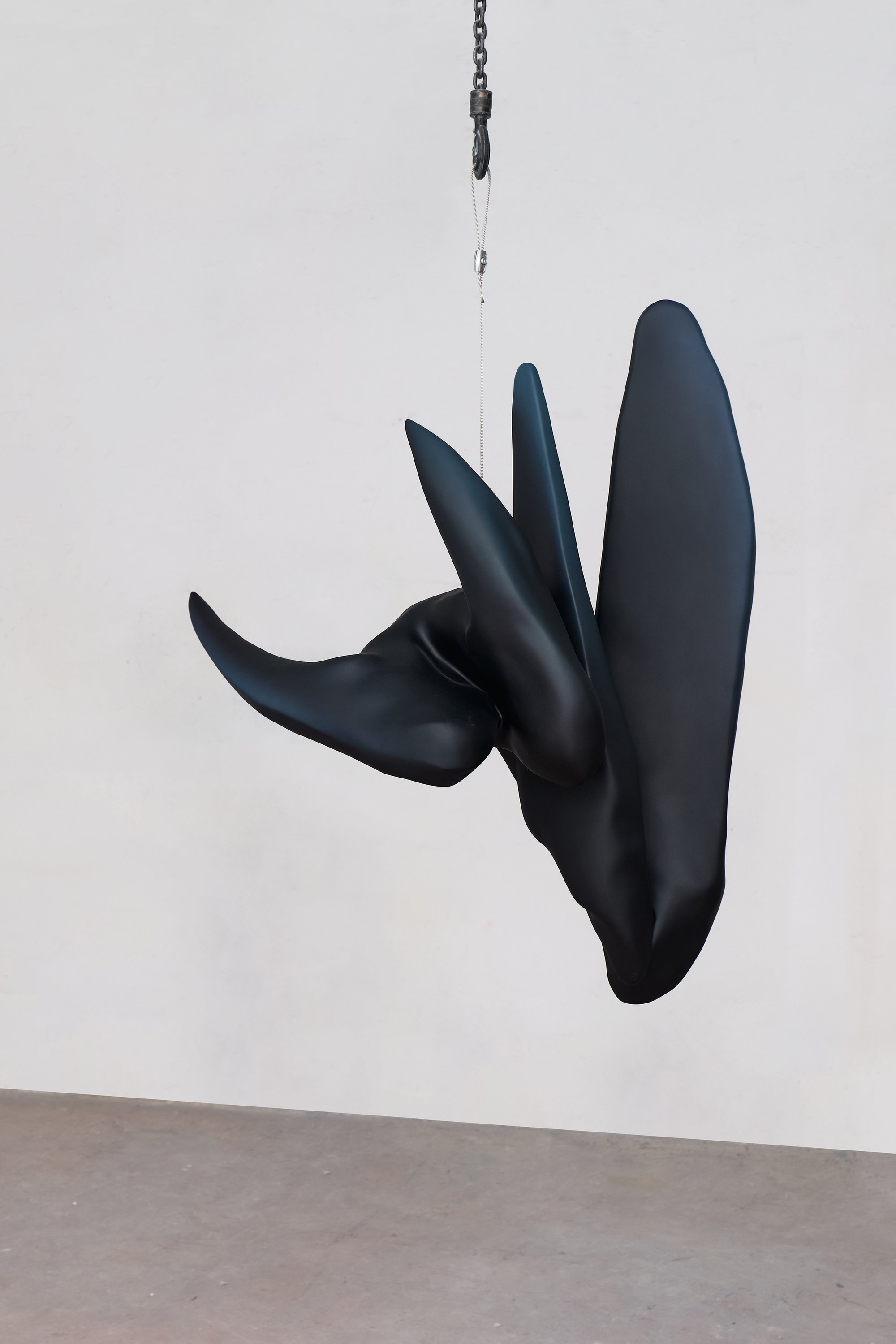
Austyn Taylor, open call winning artist and her many characters spreading optimism across the world one gallery at a time: "My work is vivid, colorful, innocent, courageous and absurd. I make characters in hand sculpted clay based on animals and people I have encountered. The work acts as a signal- "everything will be ok" like a safe place to wonder about how we even exist as humans in the first place." Taylor is internationally recognized for her hand-built ceramic sculptures—playful yet deeply philosophical characters inspired by animals, human behavior, and the shared experiences that connect people across cultures. Influenced by ancient clay traditions from Mesopotamia, Japan, Europe, Africa, and Central America, she sees clay as one of humanity's most universal artistic languages: fragile yet enduring, humble yet capable of carrying profound meaning across generations.
Amir H. Fallah @ Art Basel Hong Kong March 21 - 25
Amir H. Fallah Art Basel Hong Kong March 21 - 25, 2023 BOOTH: 1B34 Denny Gallery is participating in the 2023 edition of Art Basel Hong Kong in the Insights section with a solo booth of work by Amir H. Fallah.

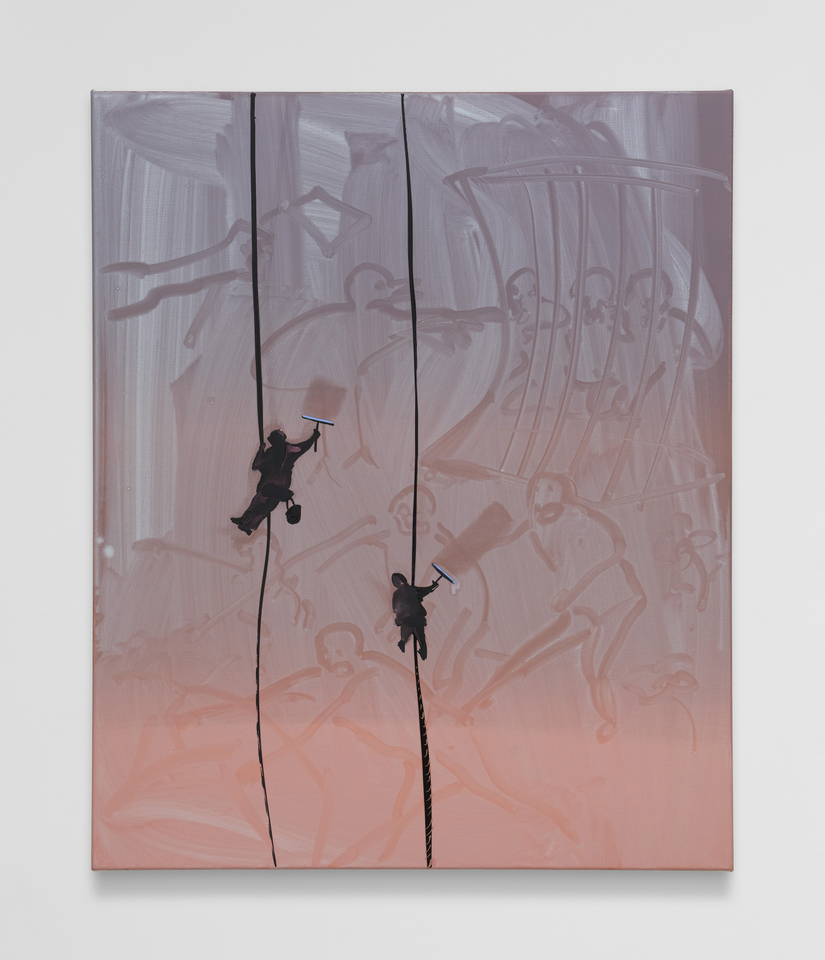
Amir H. Fallah is an artist known for exploring portraiture and identity through his painting, murals, sculpture and installation. His personal narrative as an Iranian American, whose family fled Iran during the 1979 revolution, frames his work and his bid to explore what drives us as humans to shape who we are and how we exist. His esoteric portraits, where the physical characteristics of his subjects are often masked, hidden or generally absent, offer vignettes into their world; ornate with depicted objects and patterns. They are windows into society and current affairs. He uses historical and contemporary imagery and narratives, which he assimilates from a variety of global references from news channels to twitter; museum collections to fashion magazines. With this, Fallah mines the collective human visual culture to offer poetic insights into human discourse. The body of work that Denny Gallery will exhibit at Art Basel Hong Kong continues Amir H. Fallah’s investigations into his Iranian heritage and the new frontiers of his birth country with the movement of “Woman, Life, Freedom”. The five paintings - two portraits, two narrative works and a monumental painting, which he terms as one of his most important works to date - shine alight on human qualities such as bravery, suffering, defiance and desire. With these works, Fallah delves into a contemporary and historical visual culture with shared motifs such as dragons and whimsical scenic backgrounds, alongside more site specific imagery, offering new perspectives into this current human discourse.
For more insight into Amir H Fallah his work and practice, read our in depth interview with the artist.
In London’s evolving contemporary art landscape, a new generation of collectors is reshaping how galleries are conceived and run. Louis Jacquier, co-founder of Tiderip, represents this shift, where collecting is no longer a private pursuit but an active, collaborative force. Rooted in close relationships with artists and a long-term commitment to their development, Jacquier’s approach has extended into the creation of a gallery that privileges dialogue, experimentation, and emotional depth. At the centre of this approach is a philosophy he often summarises as: “I collect artists rather than artworks.”
The Athens Biennale has announced a major restructuring of its governance alongside the appointment of Thiago de Paula Souza as curator of its 8th edition in 2027. The new model introduces a formalised structure of trustees, advisors, and curatorial leadership, consolidating the Biennale within a tightly interlinked network of cultural patrons, collectors, and institutional stakeholders. While presented as an “evolving ecosystem,” the shift reflects a broader transformation in contemporary art governance, where cultural legitimacy is increasingly shaped through structures aligned with private capital and strategic institutional management. Against this backdrop, de Paula Souza’s curatorial practice—rooted in institutional critique and transnational experimentation—introduces a productive tension between radical discourse and formalised cultural power.